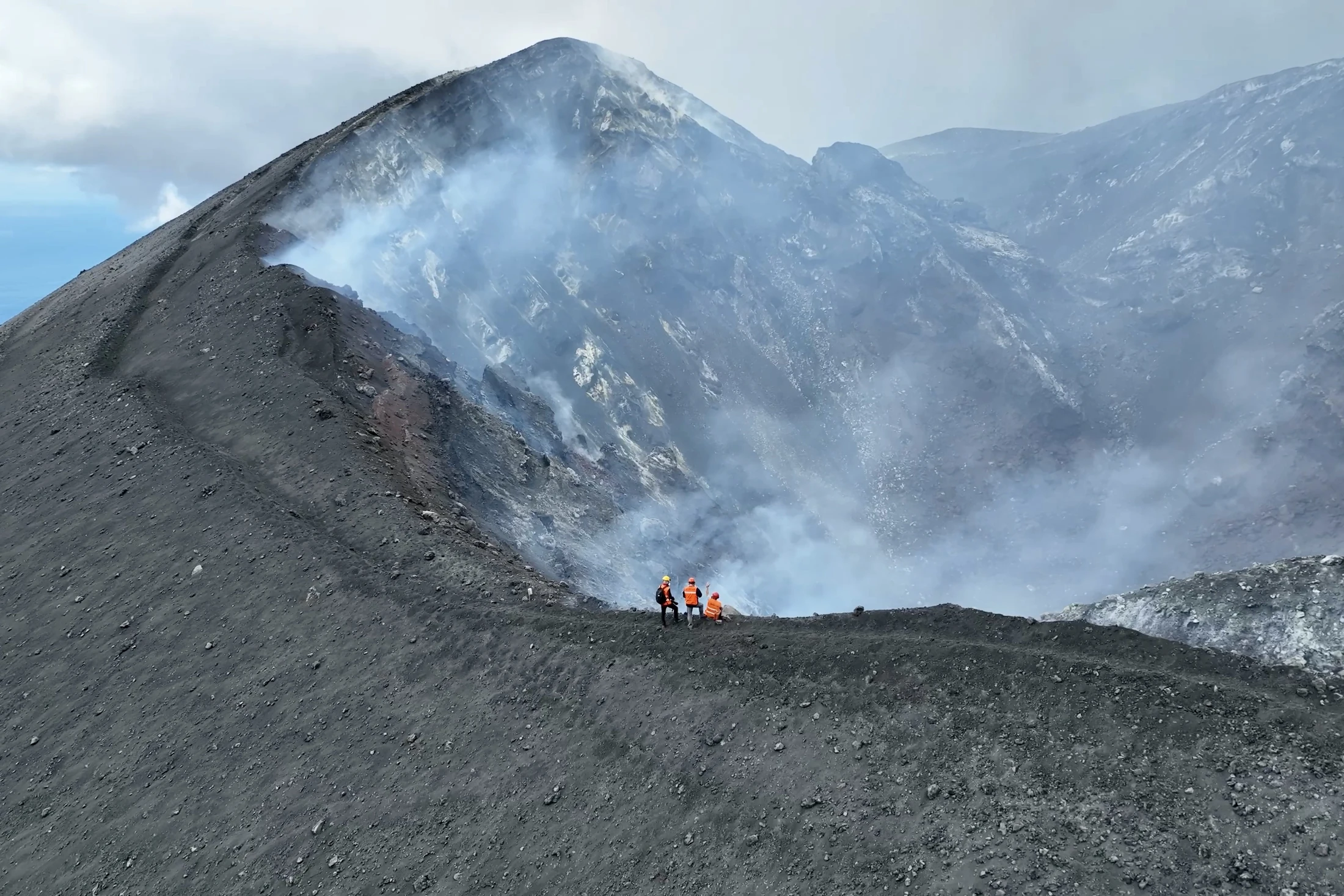
Our first view of the volcano came just after a tunnel. We had picked up our rental car at the airport and driven across La Palma. The road climbs into the mountains and passes through a tunnel beneath the ridge. When we came out on the other side, we saw it for the first time. Fountains of lava above the volcano, with the Atlantic behind it. The eruption had begun on September 19, 2021. It was the first on La Palma since 1971 and would go on for 85 days and 8 hours, making it the longest historically documented eruption on the island. We traveled there four times to film it for two documentaries, digital media and news coverage, and of course for ourselves.
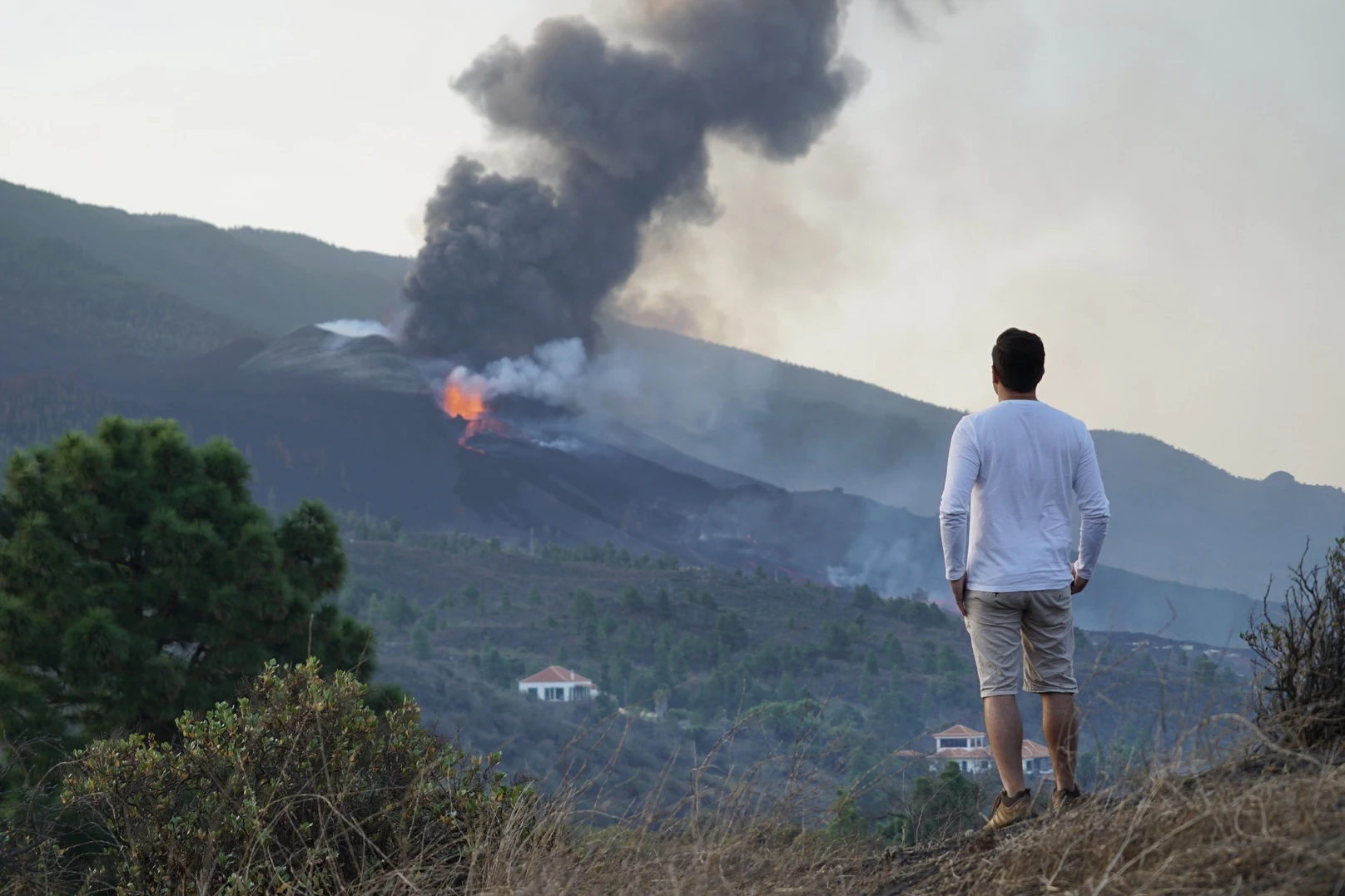
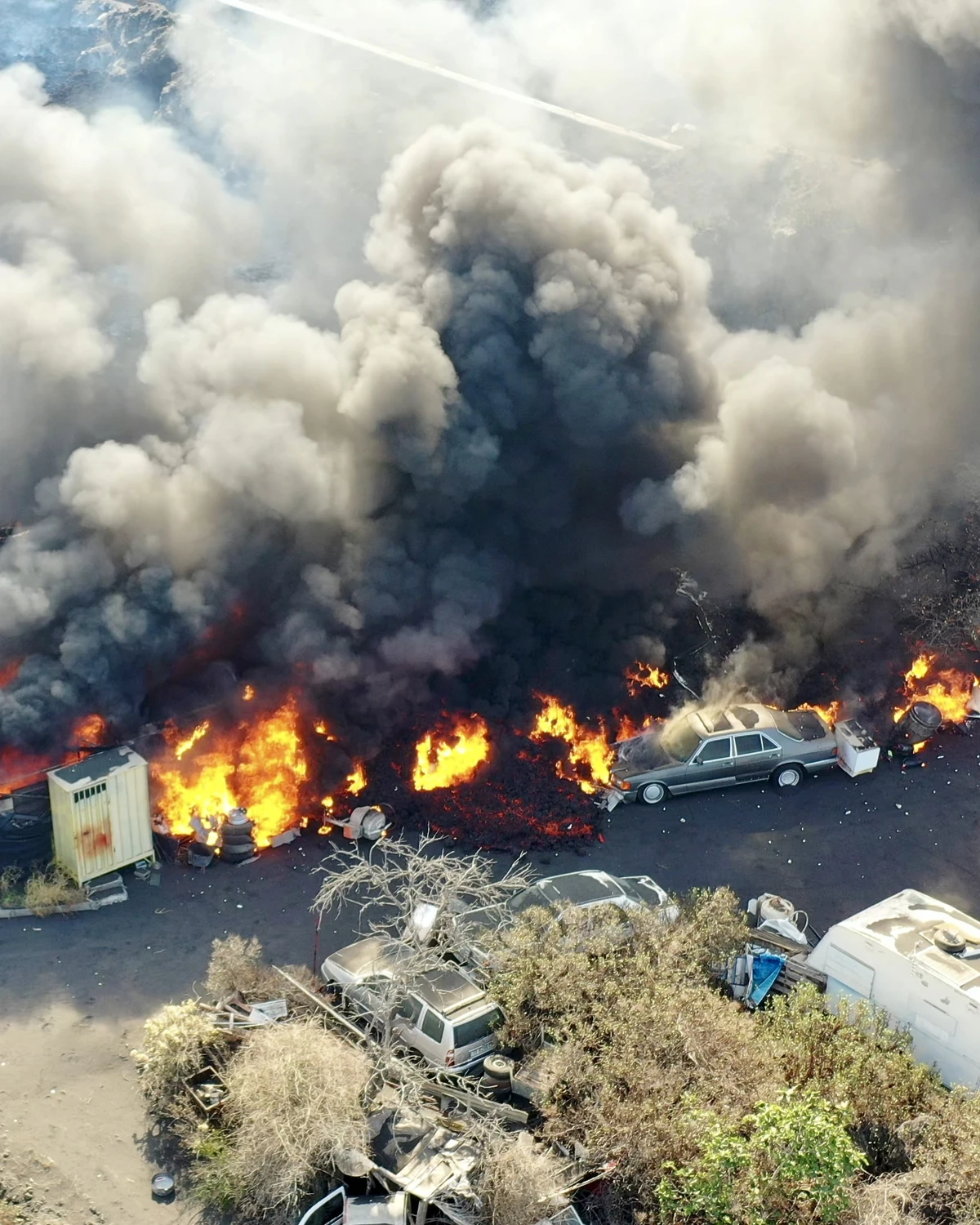
We rented a house fairly close to the volcano. Luckily, it was not in the area where the lava later came down, but it never felt completely relaxed. The volcano was always there. We could hear it day and night, a constant roar broken by thunder, explosions and pressure waves strong enough to rattle the windows of the house. Then there was the smell of volcanic gases and smoke. Houses, cars, tires and banana plantations were burning. Even when we were back at the house, the eruption never felt far away. We could put the cameras down and try to eat or sleep, but we could not simply switch the volcano off.
Then there were the earthquakes. On some days they felt like they were coming roughly every thirty minutes. You would be lying in bed at night and suddenly the whole house would start shaking. More than once we jumped up and stood under a doorway. During the eruption, Spain's Instituto Geográfico Nacional recorded more than 8,600 earthquakes. For us, that was not just a number on a chart. Some of them were strong enough to feel inside the house. Then we went back to bed and waited for the next one. We were not getting much sleep anyway. Our daily routine had become a strange mix of normal life and a volcanic eruption right outside the door.

Shopping, cooking, eating, backing up footage, charging batteries and heading out again. On some days we probably left the house ten times, sometimes even more, including in the middle of the night. The situation kept changing. New lava flows, new road closures, new stories and new places we might be able to film from. We checked maps, looked at GPS, packed the cameras and headed out again. Every time, we had to work out where we could still get through, where visibility was good and where volcanic gases might be drifting. Police, civil protection teams and the military had closed many roads and areas. That meant constantly changing our plans while still trying to be careful.
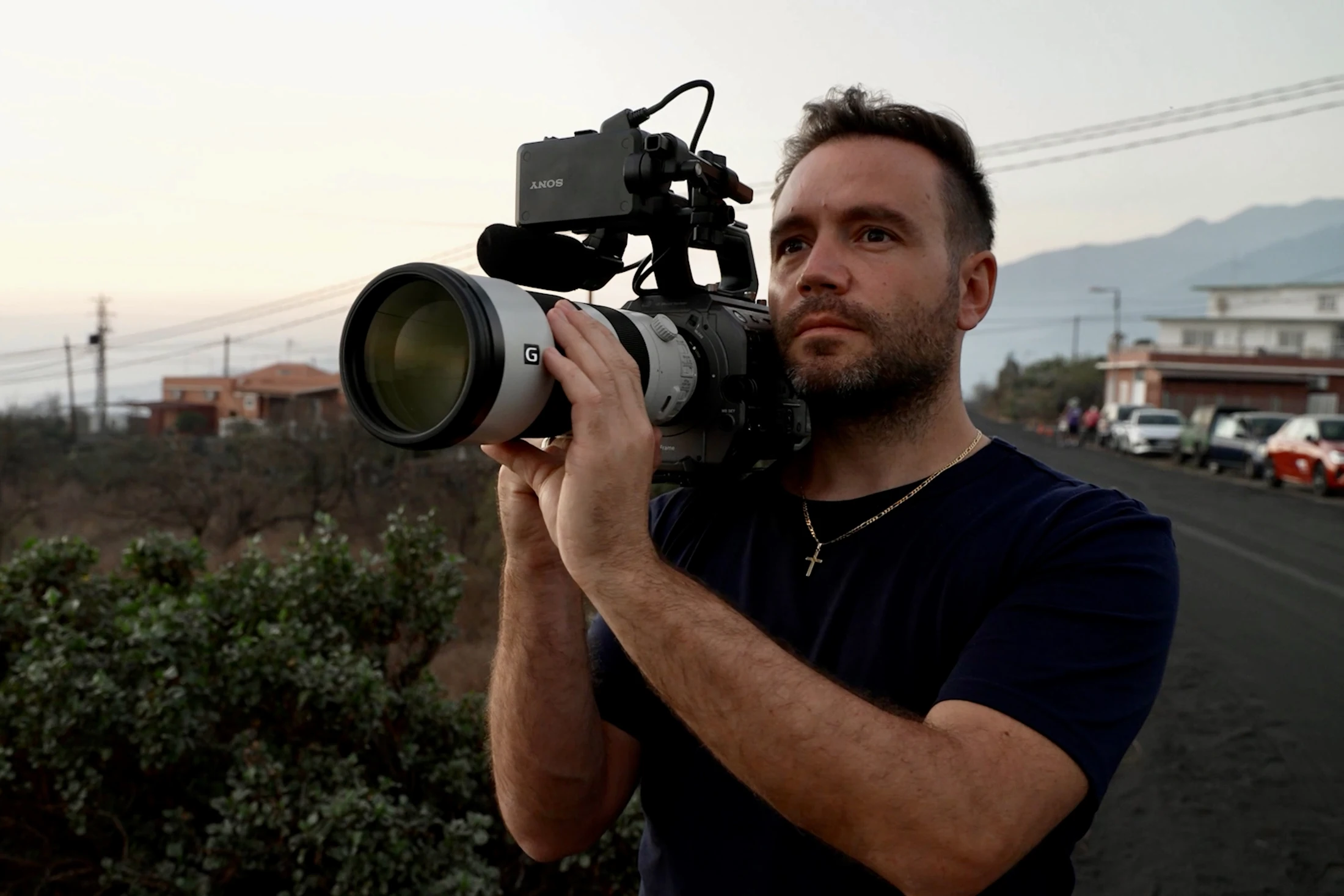
One of our trips became an adventure before we even reached La Palma. We were flying from Frankfurt when the airport on the island closed because of the eruption shortly before we were due to land. We had to divert to Tenerife and spent around ten hours there before finally taking a ferry across to La Palma. Closures like that were not unusual during the eruption. In total, La Palma airport was closed for around nine and a half days because of the volcanic activity. By the time we crossed over that evening, it was already dark. Before we had even reached the island, we could already feel ash falling on the ferry.
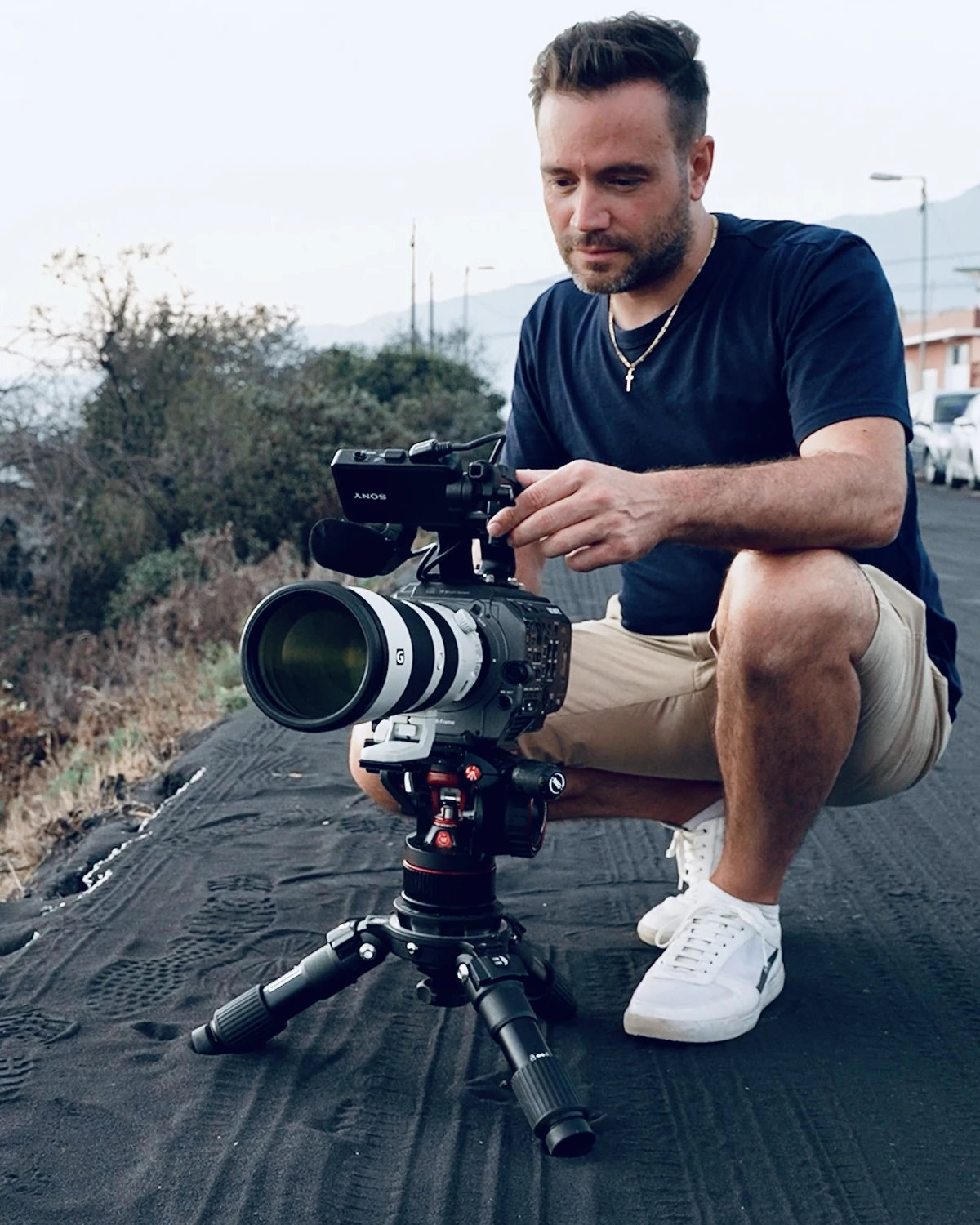
The weather also played a big part in how we worked. High in the mountains it could be cold, wet and windy. Clouds sat directly on the slopes, and sometimes within minutes we were standing in fog with almost no visibility. Lower down, around the banana plantations and closer to the coast, it was humid and almost tropical. We would go from cold and wet conditions straight into heat, then back again later. The constant change was tiring for us and hard on the equipment too. Cameras, lenses and drones had to deal with all of it. On top of that, volcanic ash was everywhere, in our hair, on our clothes, inside bags and across the equipment.
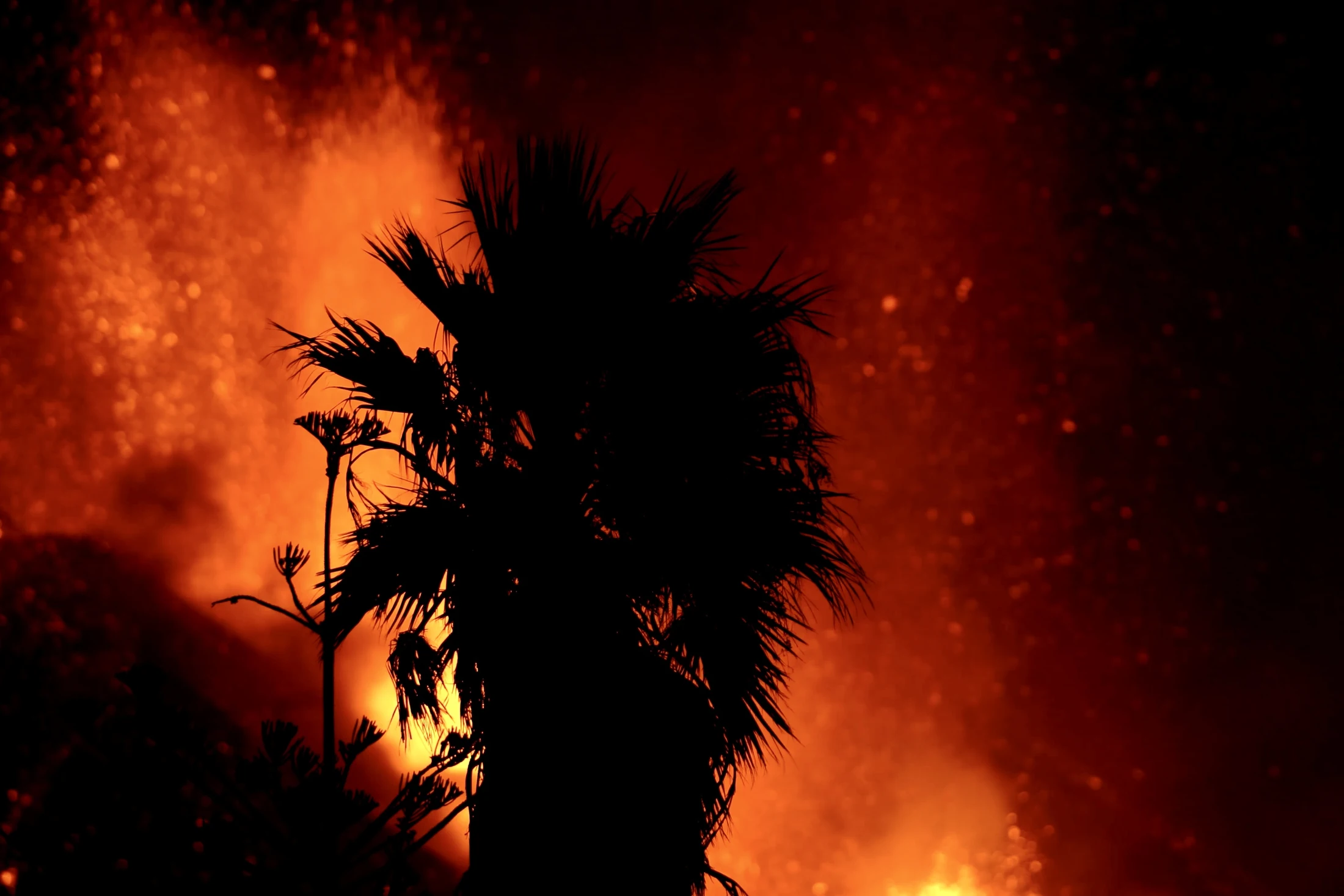
The ash was fine, sharp and eventually seemed to get into everything. We started seeing scratches on cameras and other equipment even though we were constantly trying to keep it clean. One day we had been working for almost sixteen hours and had also hiked up into the mountains. In places, the ash on the paths and between the trees was almost three feet deep. Every step became hard work. By the time we reached a village again, we were exhausted and starving. We found a small local restaurant and ordered a meat dish that looked pretty good on the menu. It turned out to be beef tongue. For me, it is still one of the most unpleasant things I have ever eaten.
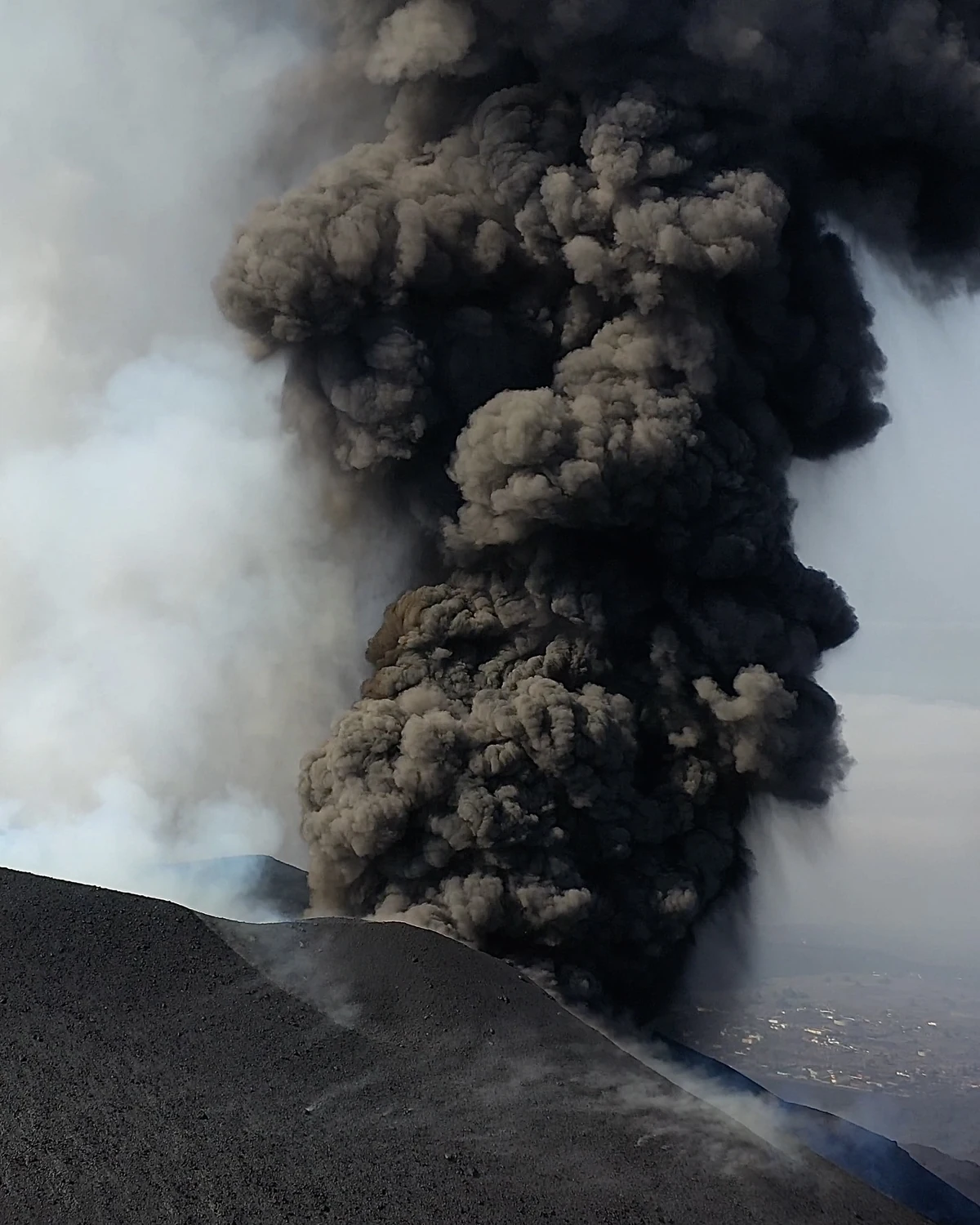
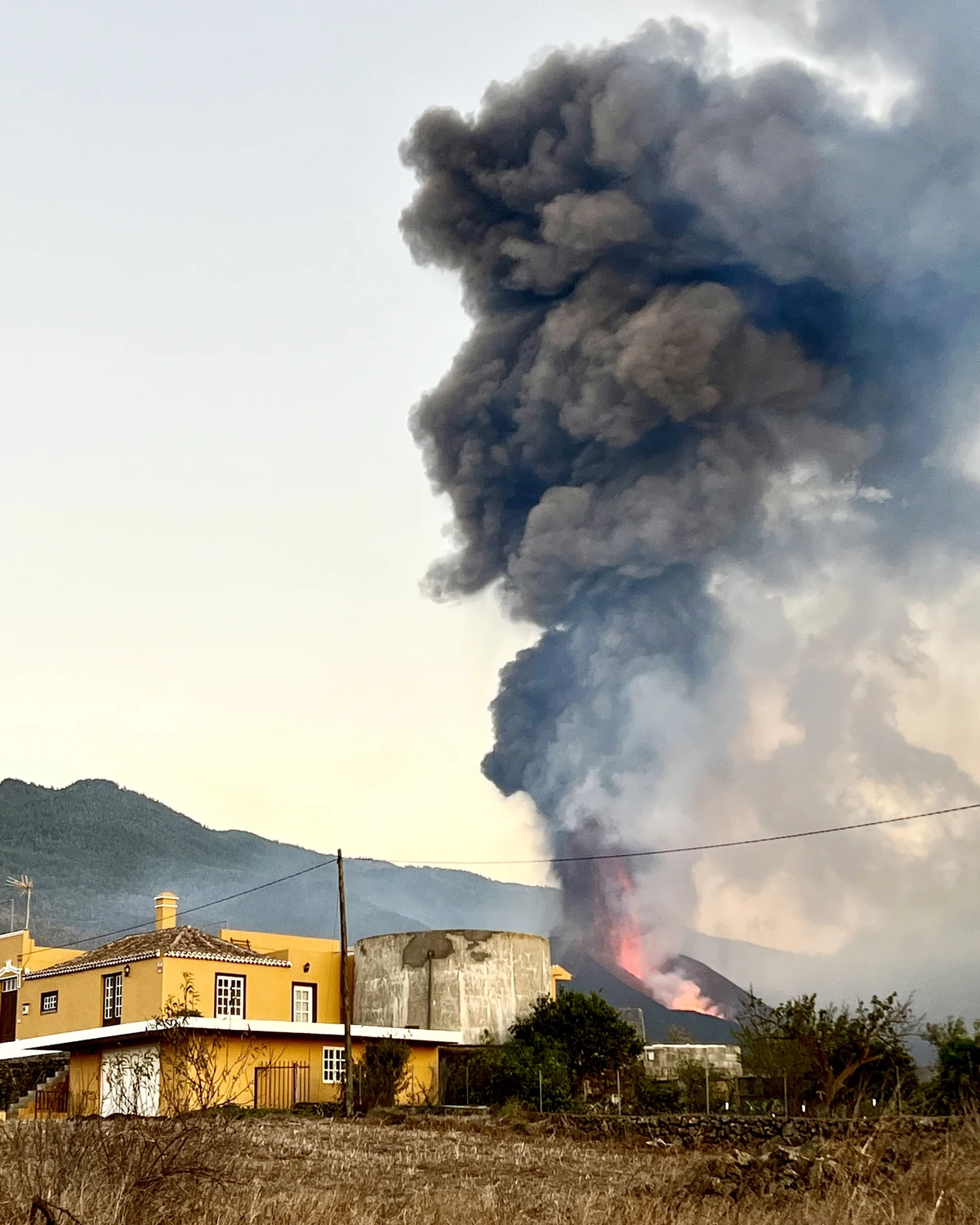
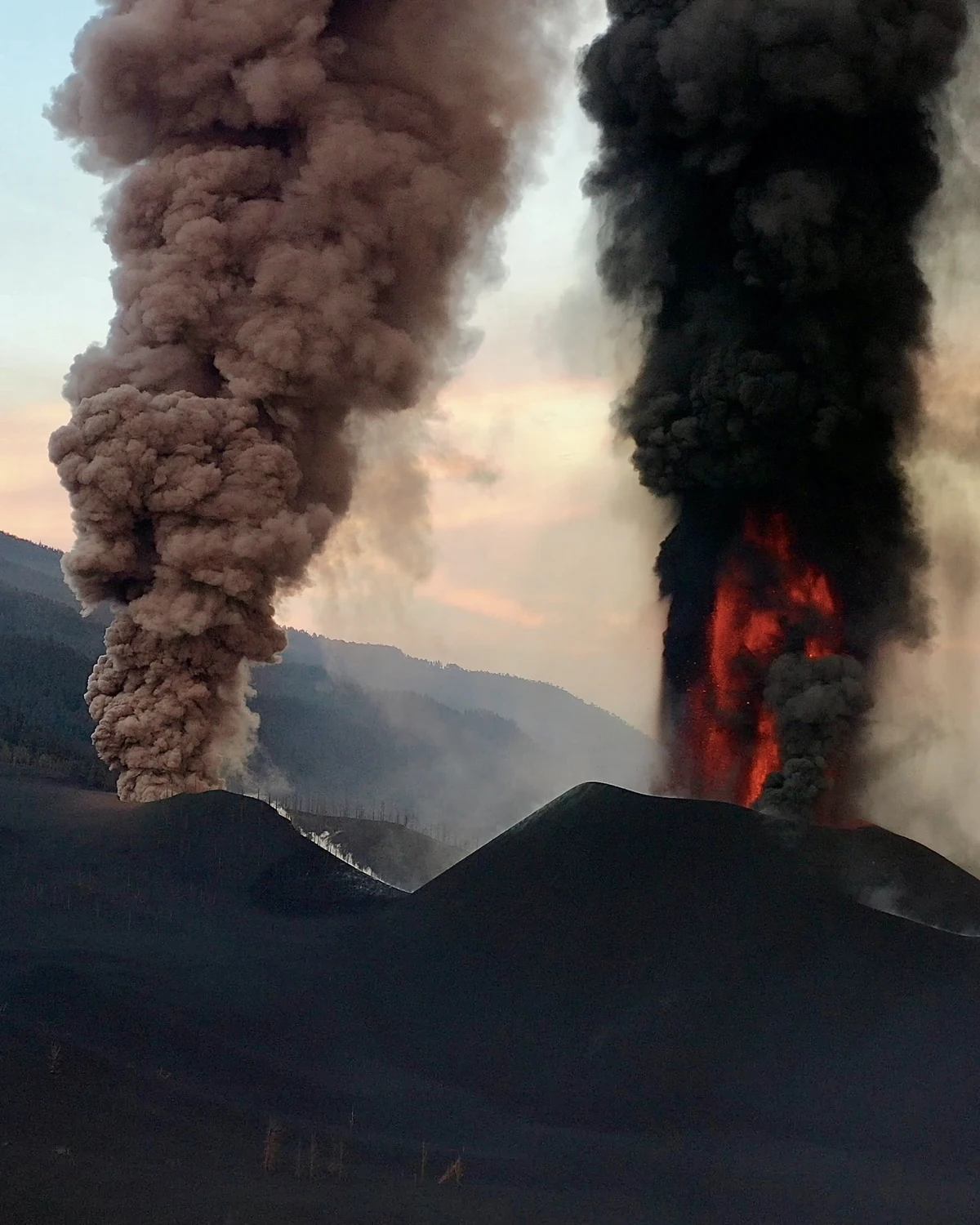
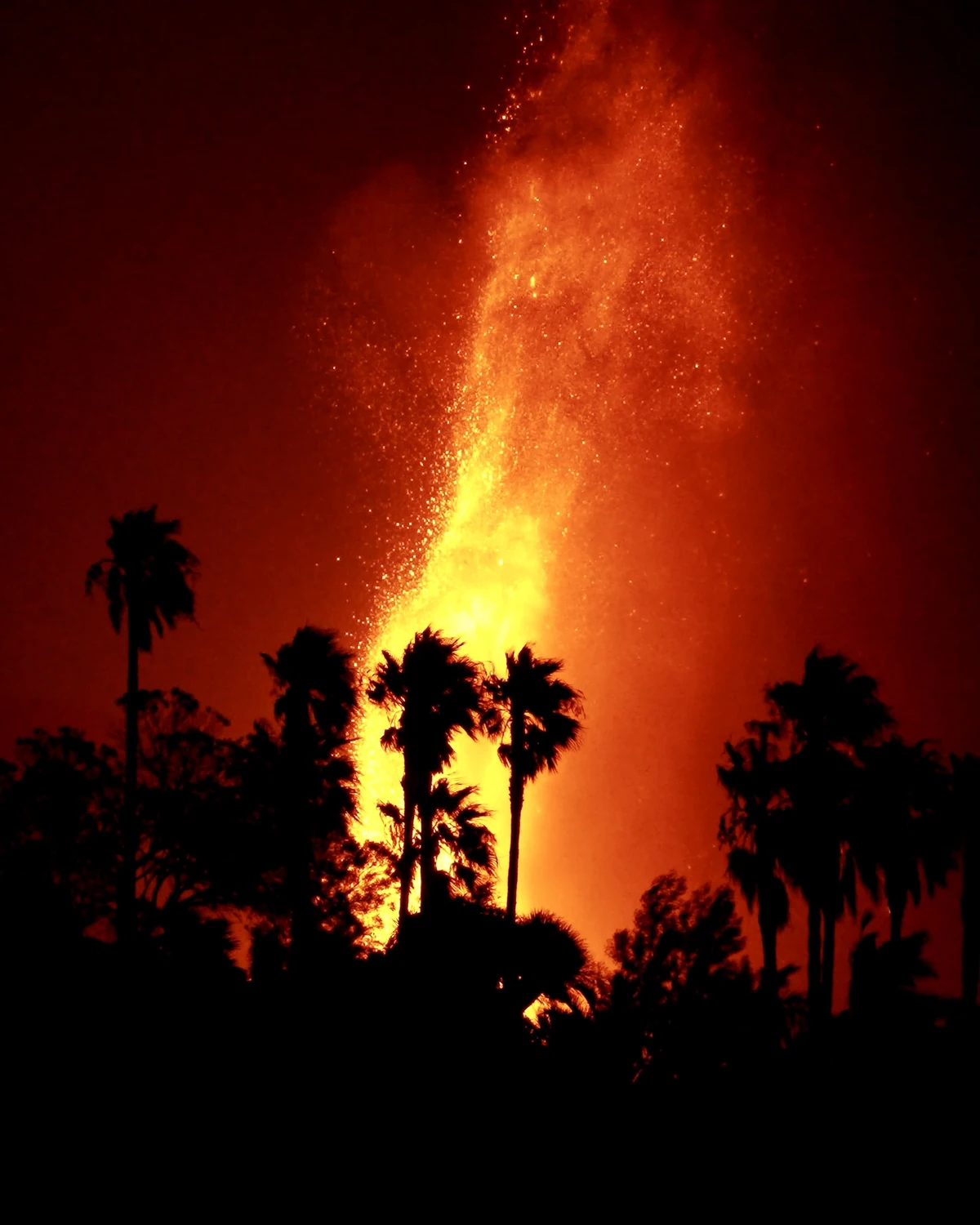
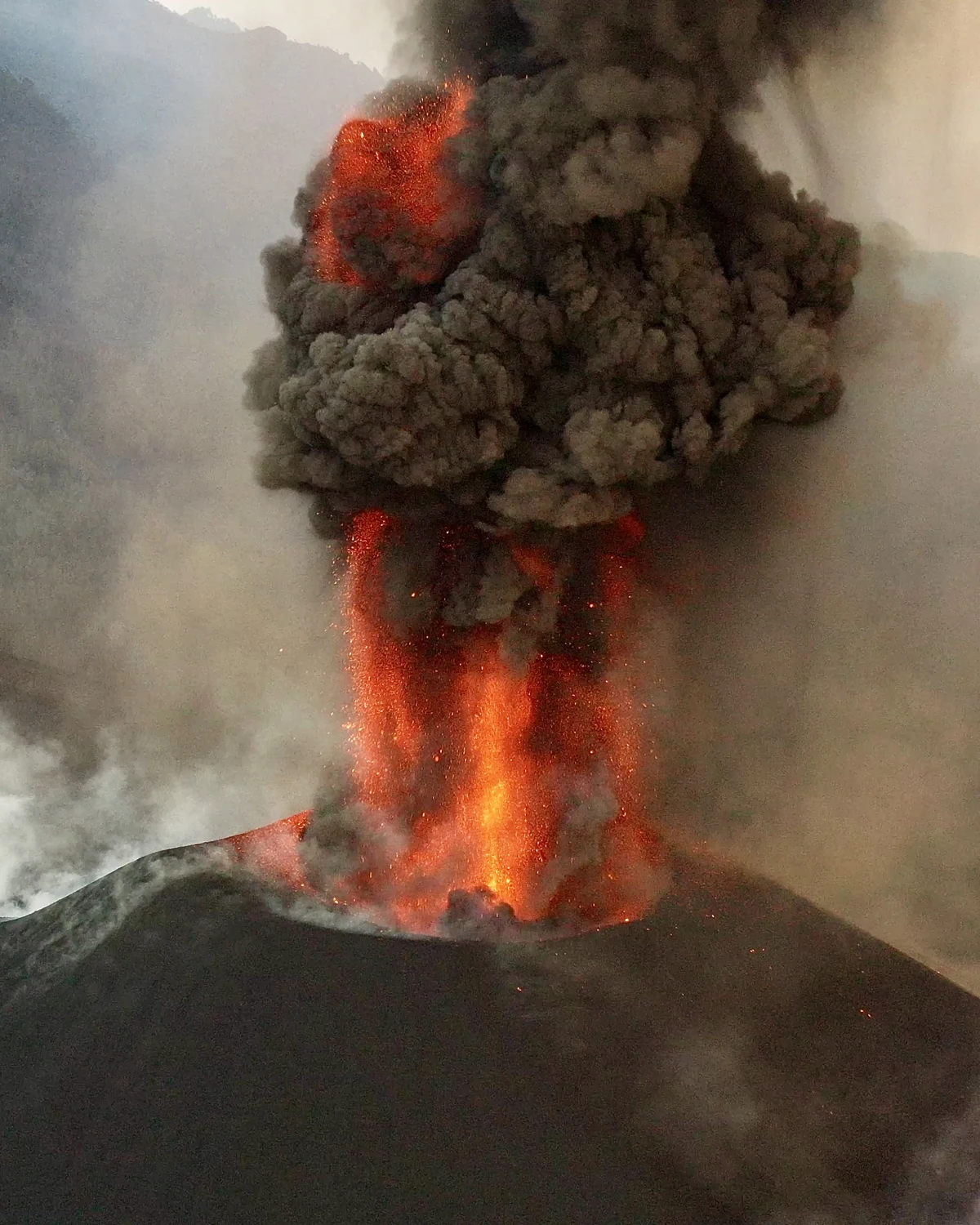
Then there were the moments that made being there unforgettable. At one point, at least two new vents had opened. Suddenly we were looking at two huge lava fountains rising almost parallel to each other. Above them, two massive columns of ash climbed into the sky. Two huge pillars over the volcano. I had never seen anything like it before. We launched the drones immediately because we knew we had to capture that moment. The drones were essential to our work because many areas were impossible to reach from the ground. From the air, we could follow the lava moving through the landscape and see where new flows were forming.

Sometimes we flew the drones very close. On one flight, one of them passed over hot lava. When it came back, parts of the underside had started to melt. It still worked, so we kept going. At the same time, we were producing images and information for current news coverage. At times we went live for WELT every two hours. Each time, we had to find a location with a clear view of the volcano and enough mobile reception to send. You could be standing in the perfect place and still have no usable signal. Then we packed up, got back in the car and tried again. The live setup itself was surprisingly simple. We did it with two phones.
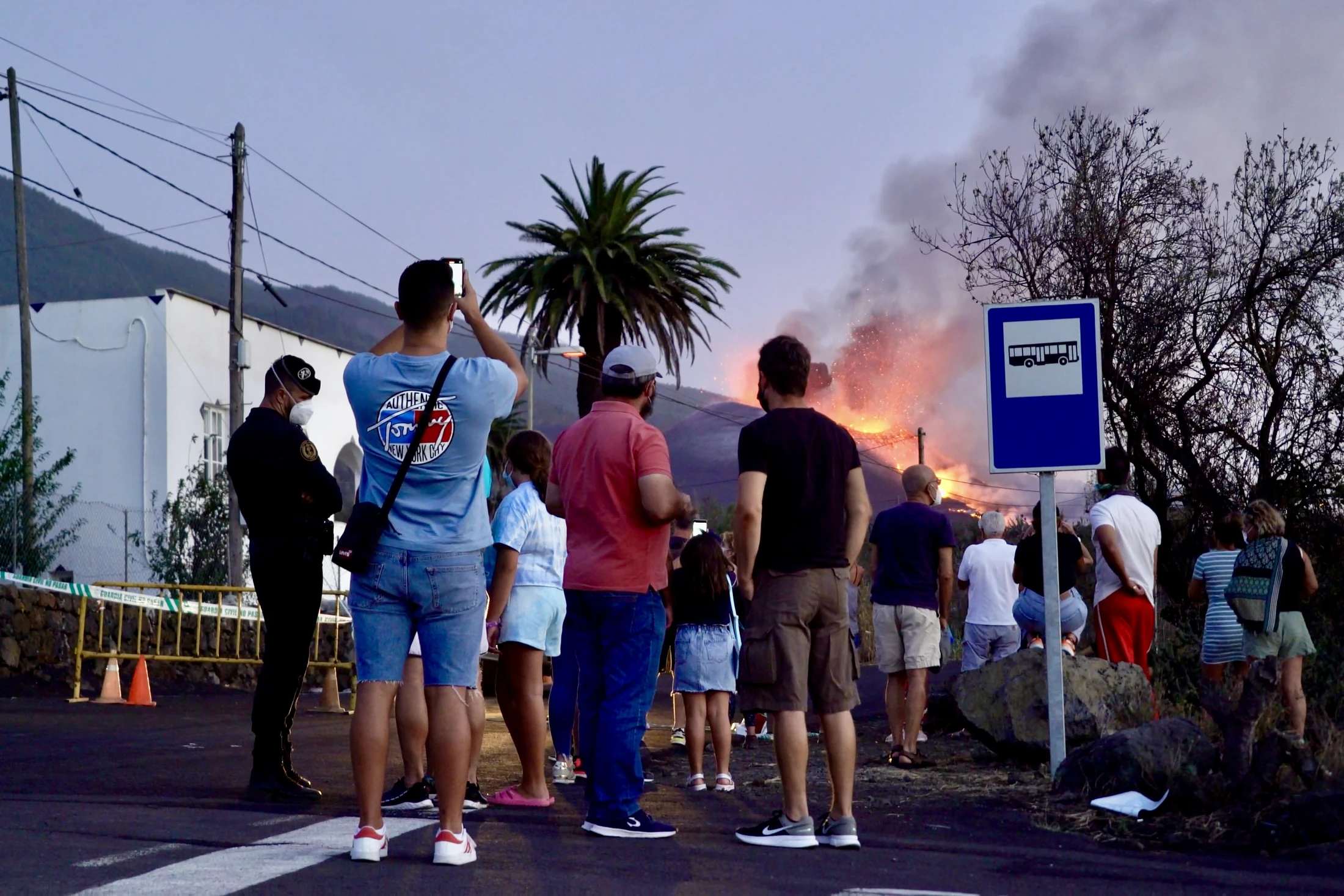
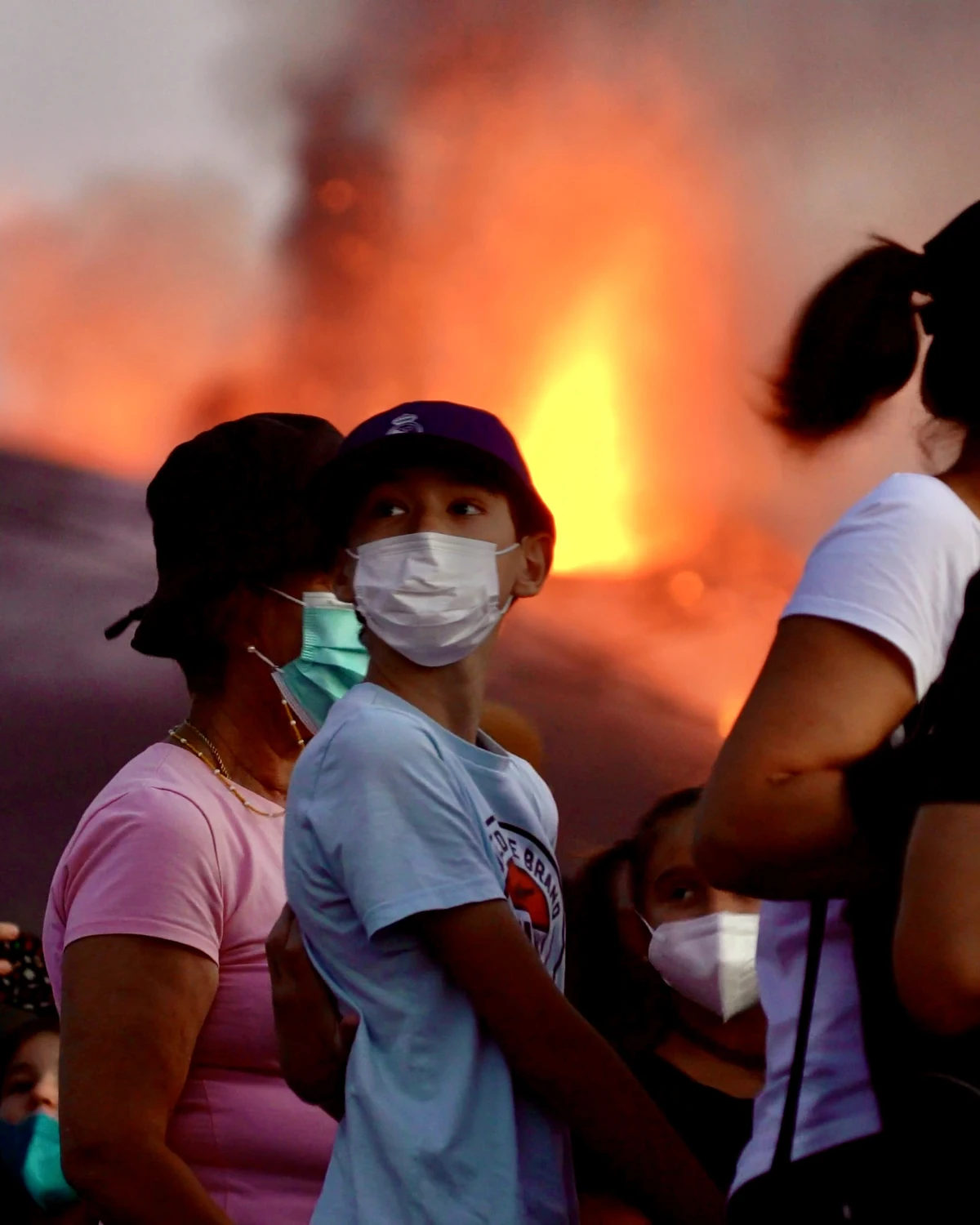
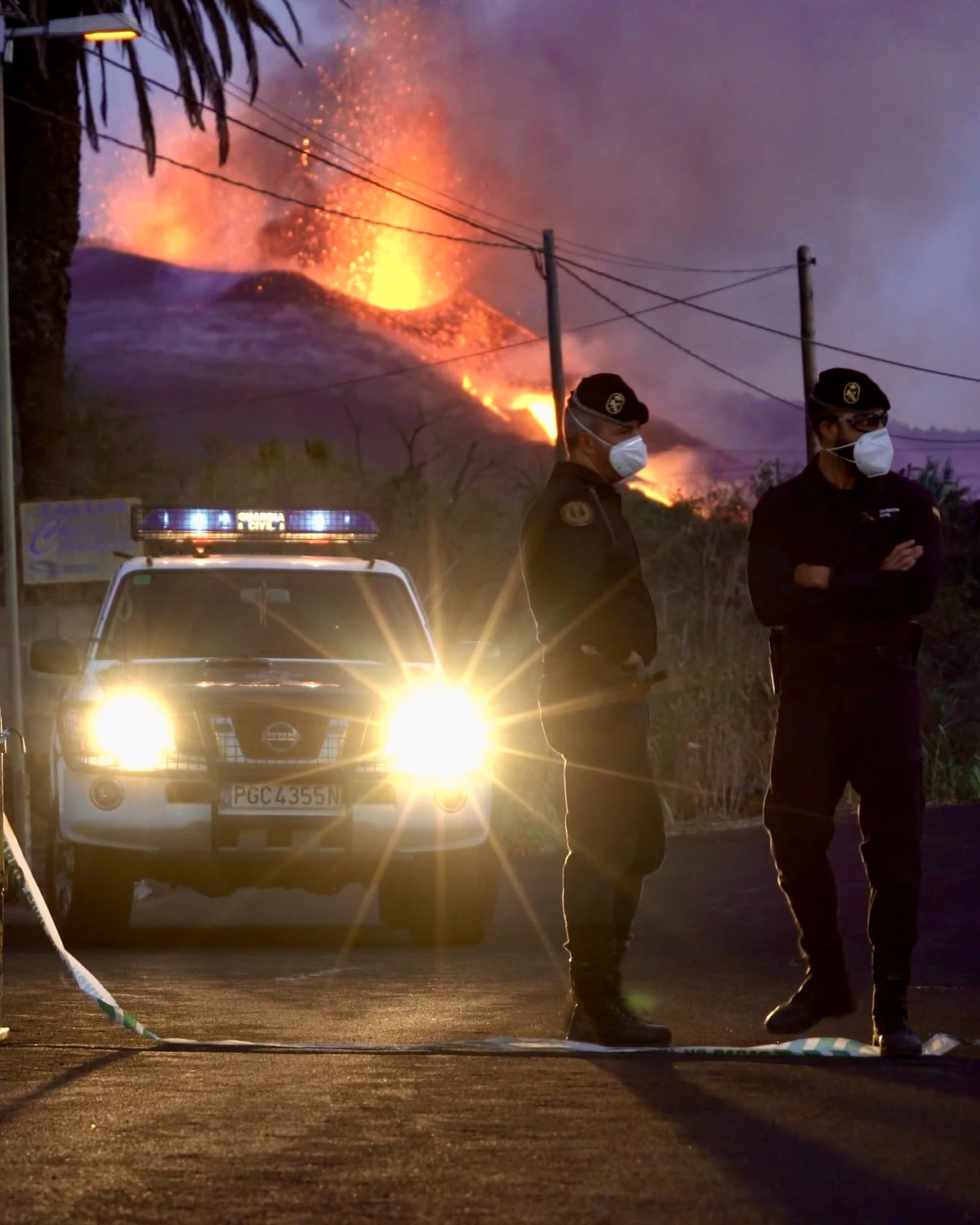
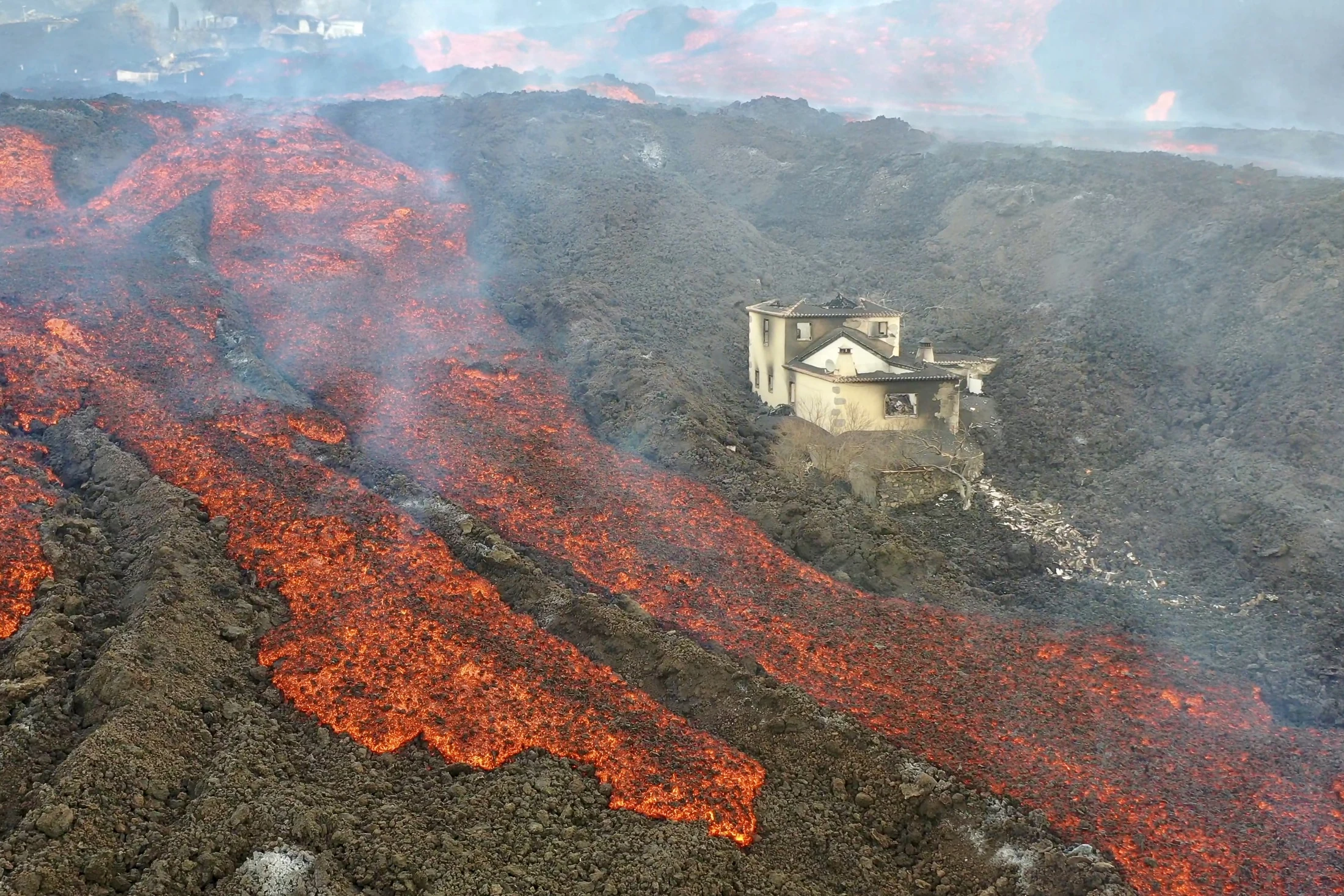
For all the fascination, there was another side to the eruption that was impossible to ignore. People stood at roadblocks looking toward the volcano. Lava fountains rose into the sky above them while houses burned farther down the slopes. Some knew they were watching their own homes burn. More than 7,000 people were evacuated during the eruption. Standing there, that number suddenly felt very real. We spoke with people who had been affected and documented destroyed houses, roads and plantations. On one side was this incredible force of nature that was impossible not to be fascinated by. On the other were people losing their homes and, in some cases, almost everything they had built.
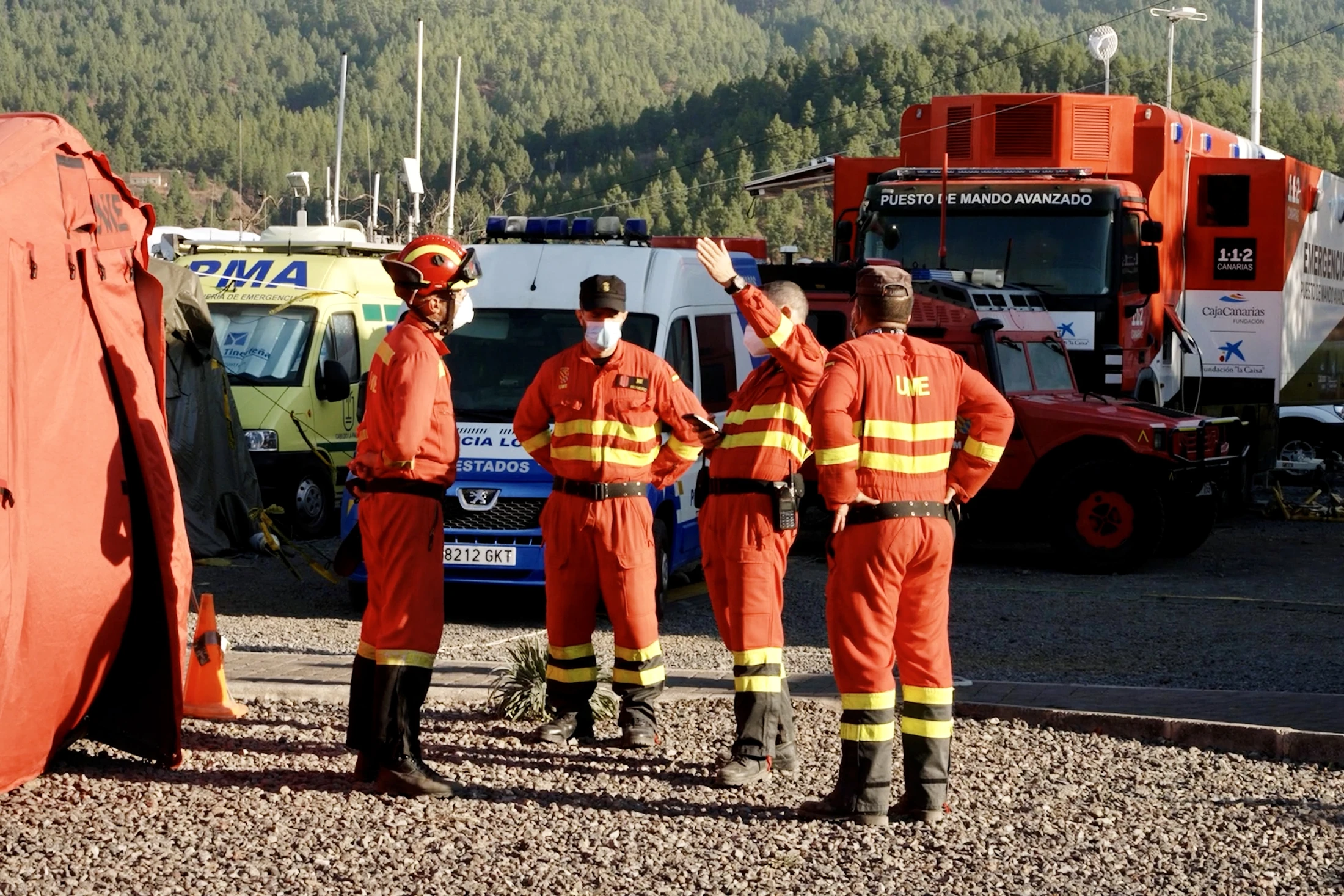
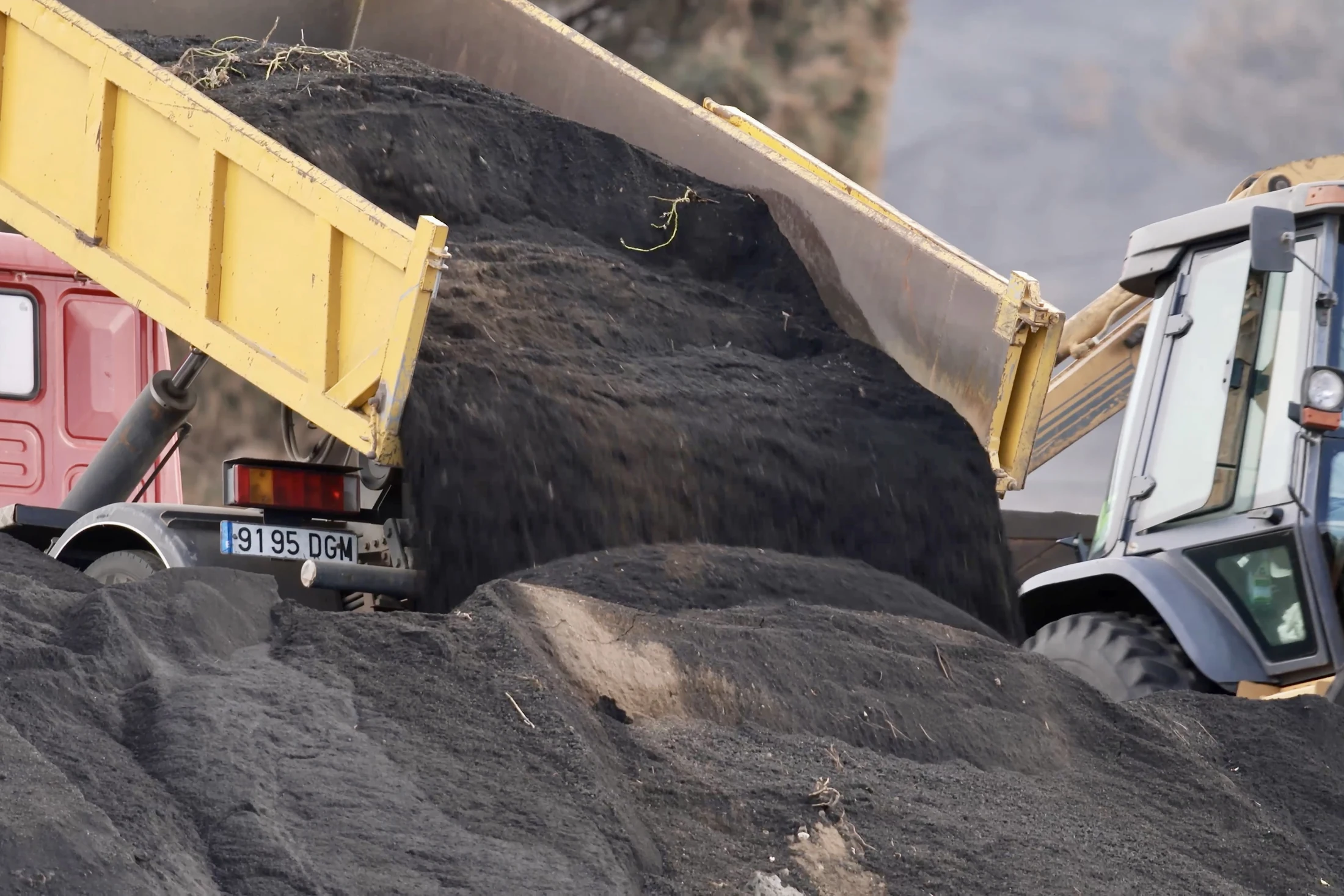
We kept returning to La Palma, and every time the island looked a little different. New lava fields had cut across roads, some areas could no longer be reached, and places we had seen on an earlier visit had changed completely. By the end, the lava had covered more than 1,200 hectares of the island. Copernicus recorded nearly 3,000 destroyed structures. Numbers like that help explain the scale, but on the ground it looked different. Roads simply ended at black lava, houses were gone, and entire areas had changed within a matter of weeks. That was exactly why we kept coming back. We wanted to document how the island was changing and what the eruption was leaving behind.
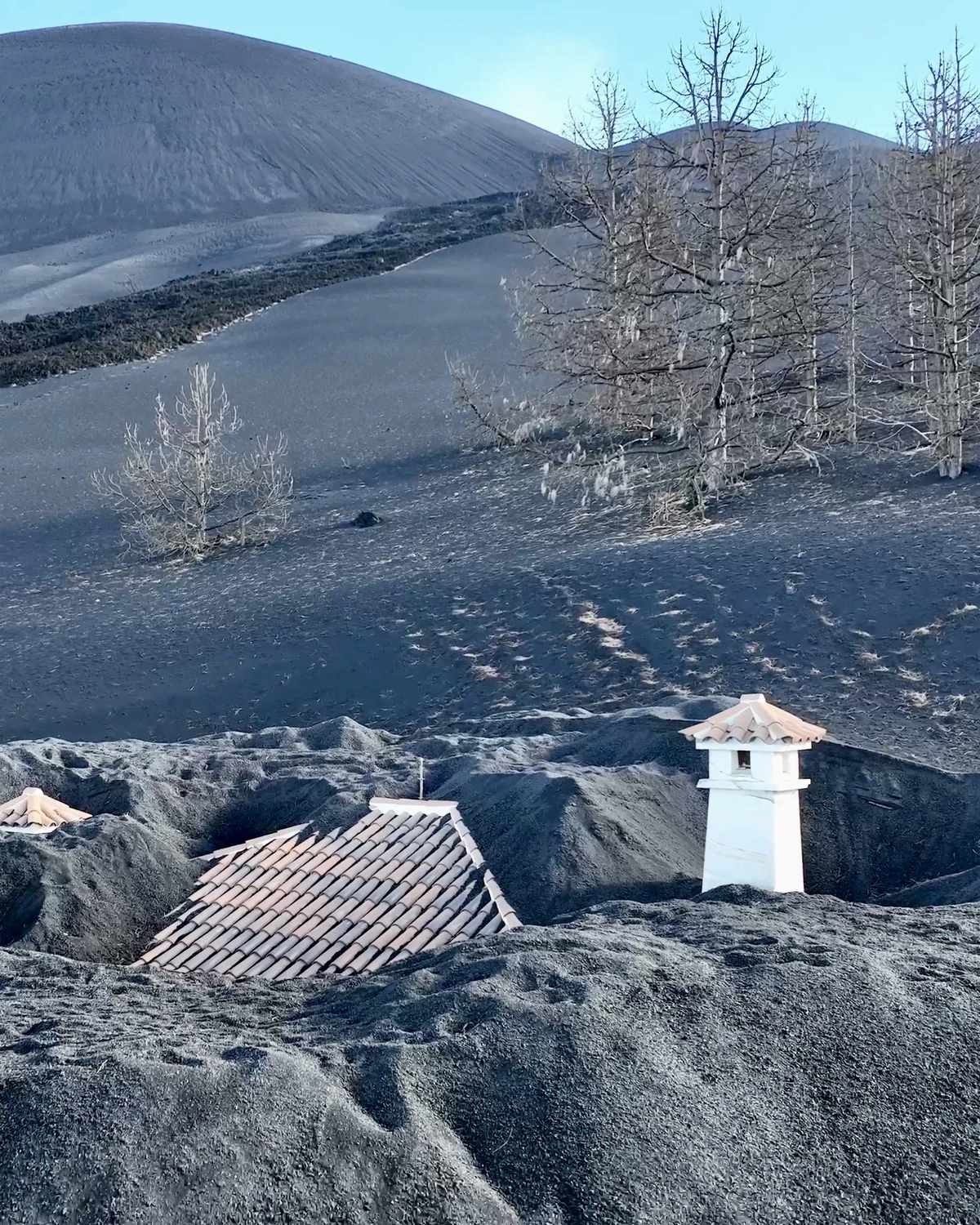
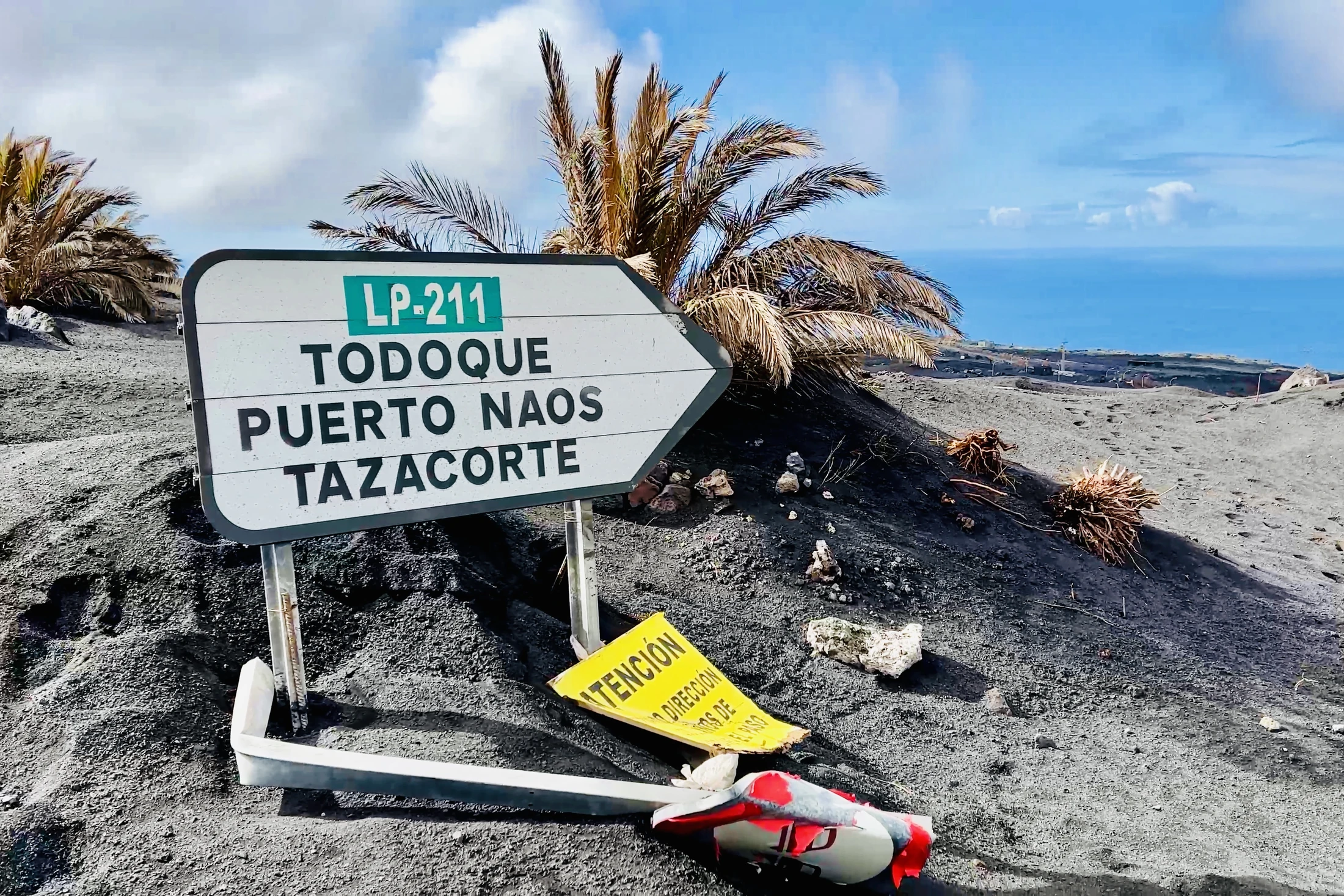
By the time we returned for our final trip, the eruption was over. For the first time, we were able to enter some of the neighborhoods and villages that had been completely closed off while the volcano was active. In some streets, the ash was several feet deep, and parts of houses had disappeared beneath it. We walked through places we had previously only seen from a distance, and suddenly everything was quiet. On our earlier visits, we had heard the volcano almost constantly. The roar, the thunder, the explosions and the pressure waves had always been there. Now all of it was gone. I stood there once more and looked up at the crater. It was still there, of course. But without that sound, the whole place felt completely different.