
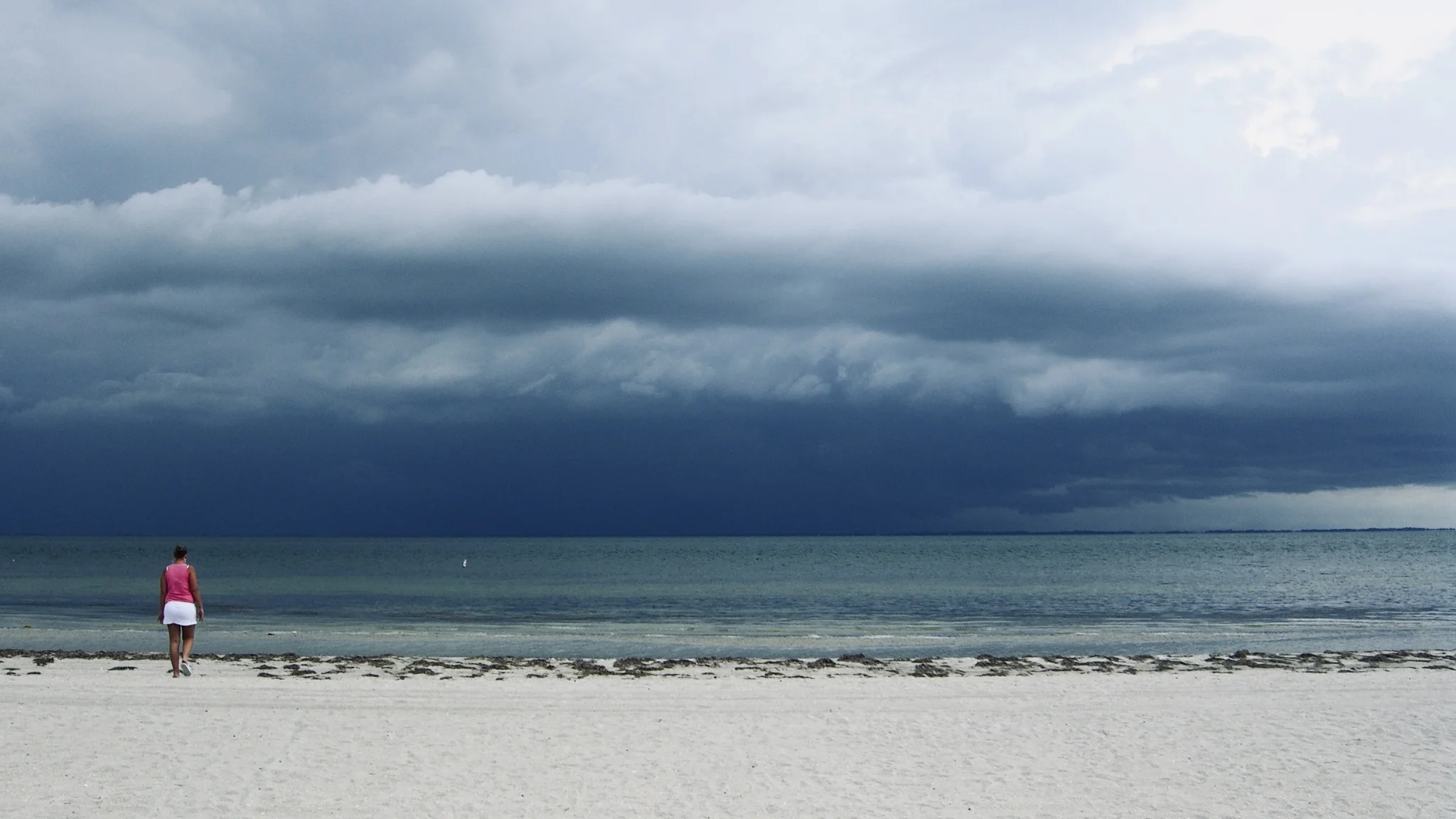
At night, I often sat in my room in Alabama waiting for thunderstorms moving in from Mississippi. The air was warm and heavy, lightning started flashing every few seconds somewhere on the horizon, and my first small weather station sat on the desk beside me. Temperature, dew point, barometric pressure. I wrote the numbers by hand in a small notebook and compared them with what was happening outside and with what I was hearing on NOAA Weather Radio. Weather had fascinated me since I was a kid, along with powerful volcanoes and astronomy. But in Alabama it became something more. I did not just want to watch anymore. I wanted to understand why the atmosphere was changing, what might happen next, and experience it for myself.
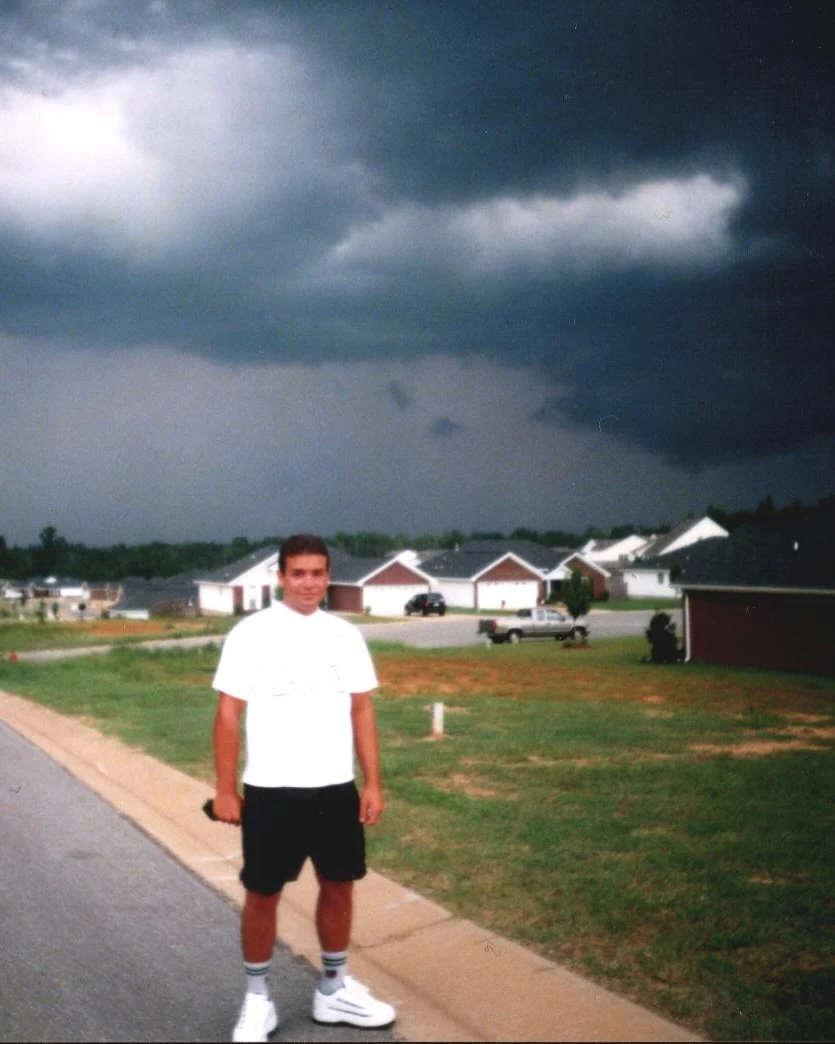
Alabama, in the southeastern United States, felt like a second home. I spent almost every school break there with my father, and my grandparents also lived in a house just around the corner during the winter months. We had a lot of time together. At the same time, Alabama became our starting point for trips across the country. From the Smoky Mountains to Seattle, from the Sonoran Desert to the prairies of the Midwest, from the East Coast to the West Coast, and again and again down to the Gulf of Mexico. Those years already meant family, freedom and adventure to me. A lot of what still excites me today was already part of my life back then.
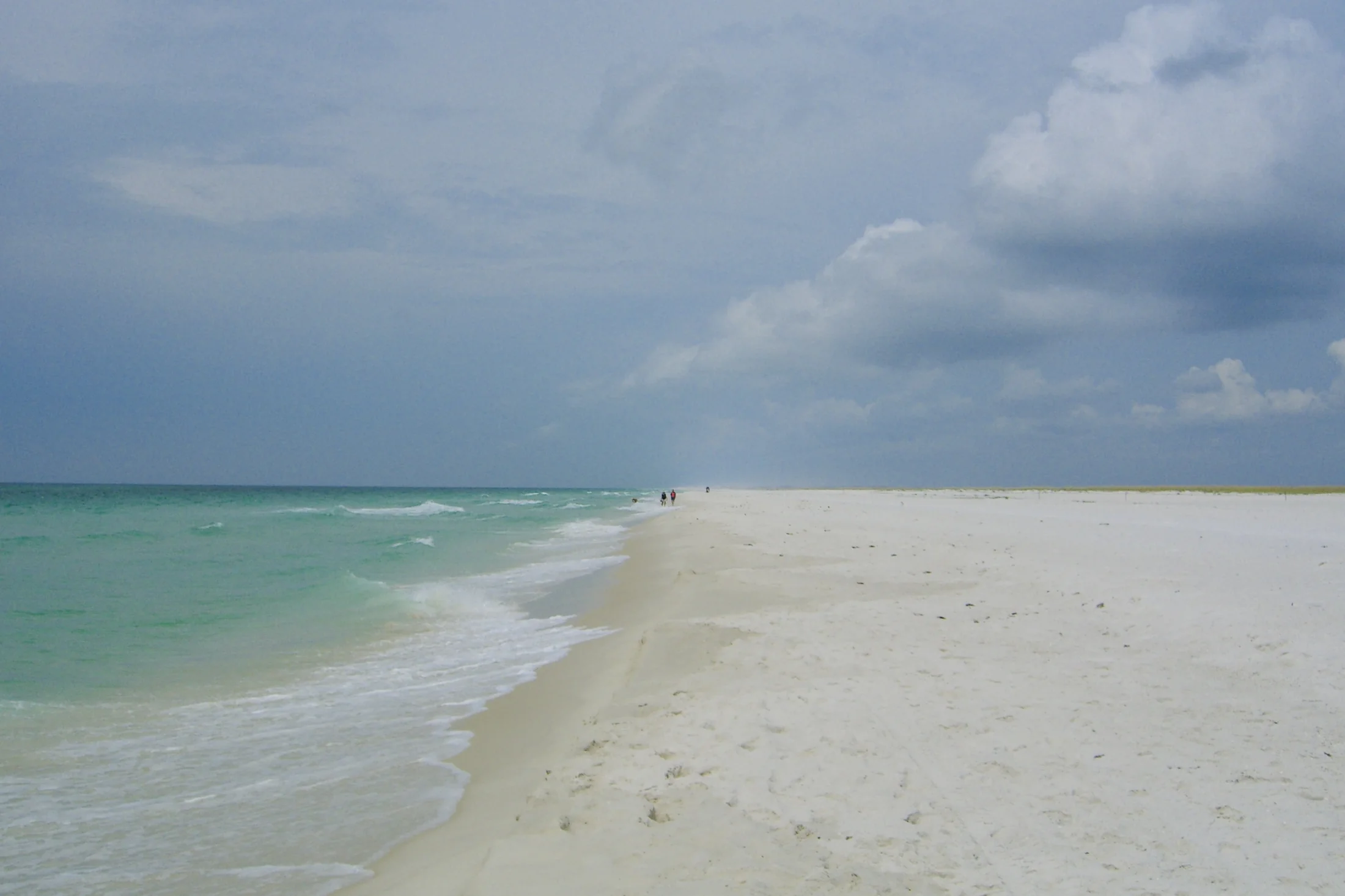
Weather felt different there too. Tornadoes, hurricanes, severe thunderstorms and the humid heat of the South were part of life. People talked about the weather, prepared for it and took warnings seriously. The Weather Channel could be on in my room for hours. I watched current weather maps, satellite images and live coverage. In 1996, I saw Twister at a movie theater on the Gulf Coast while a heavy thunderstorm was raging outside. For a teenager who was already watching every flash of lightning on the horizon, it was pretty hard to top.
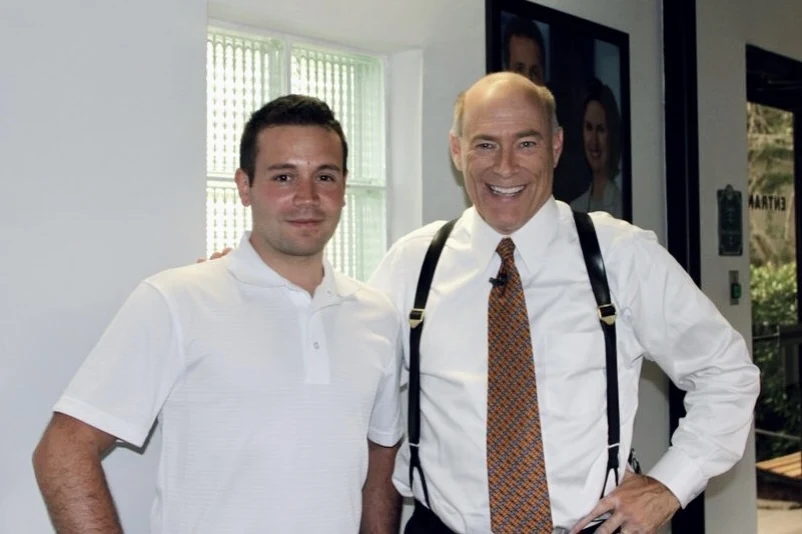
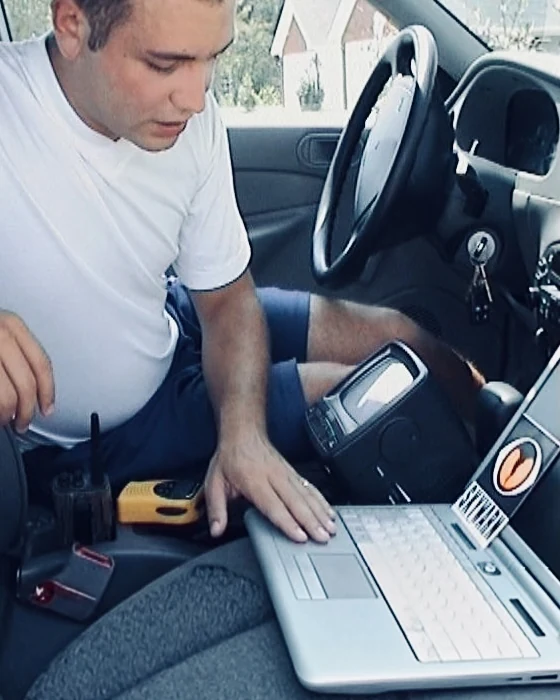
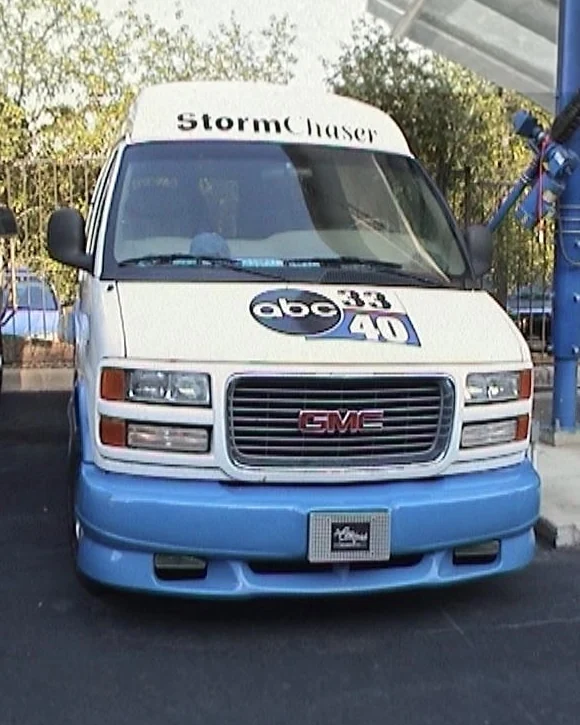
Some of my strongest memories are my visits to ABC 33/40 in Birmingham, Alabama. That is where I met James Spann and got to look behind the scenes several times. In the mid-1990s, he showed me the mobile vehicles they used to follow thunderstorms for television, the radar and live images in the studio, and a network of remotely controlled cameras mounted high on towers. It was incredibly impressive to me at the time. More than anything, weather was never just a short segment at the end of the news. When tornadoes threatened, it became the most important story of the day.
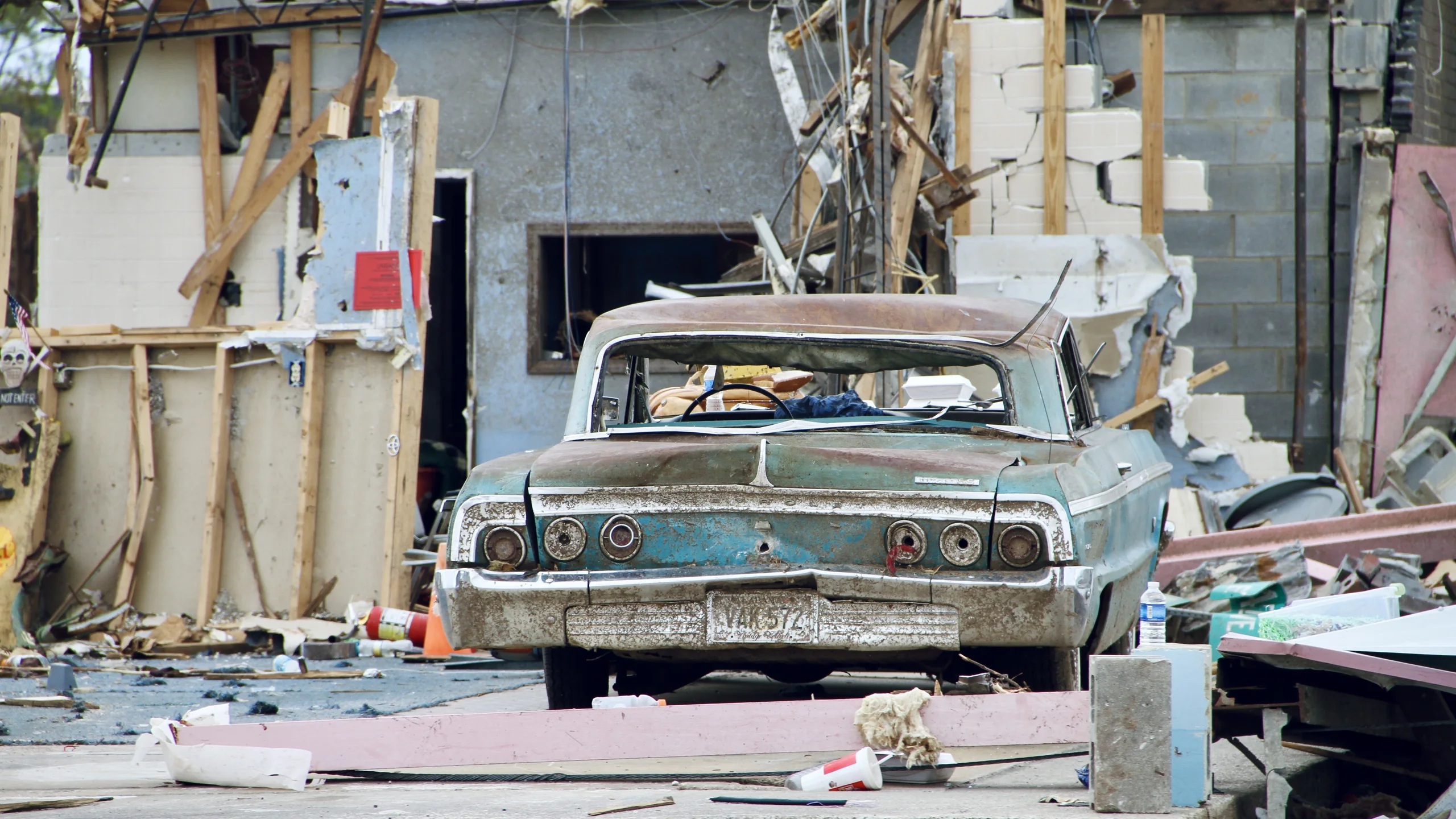
Spann has been Chief Meteorologist at ABC 33/40 since 1996, and continuous live coverage during tornado warnings became an important part of the station's approach early on. Years later, I experienced again how much that kind of warning can matter. In 2011, a devastating tornado hit Tuscaloosa. I went there afterward and documented the destruction.
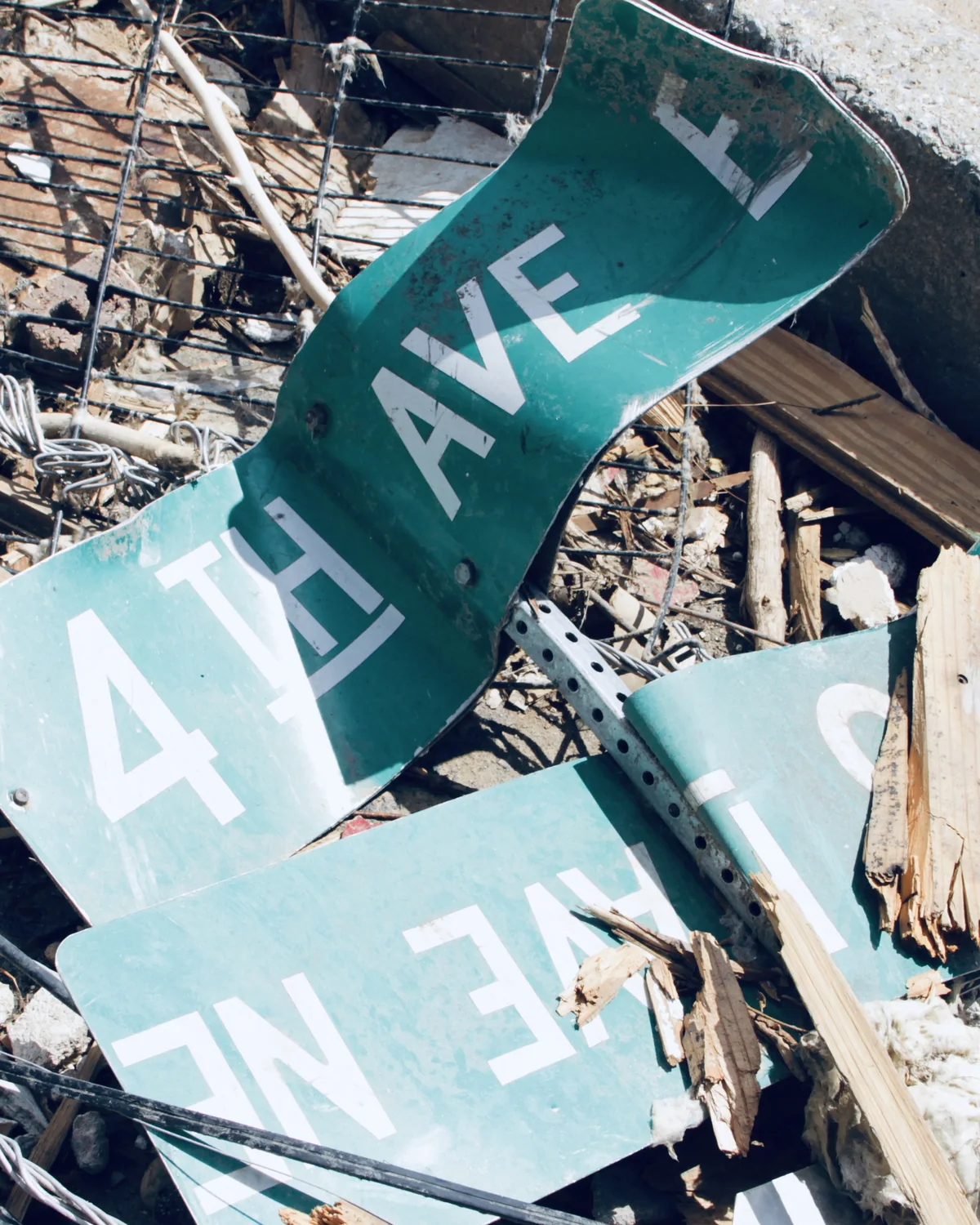
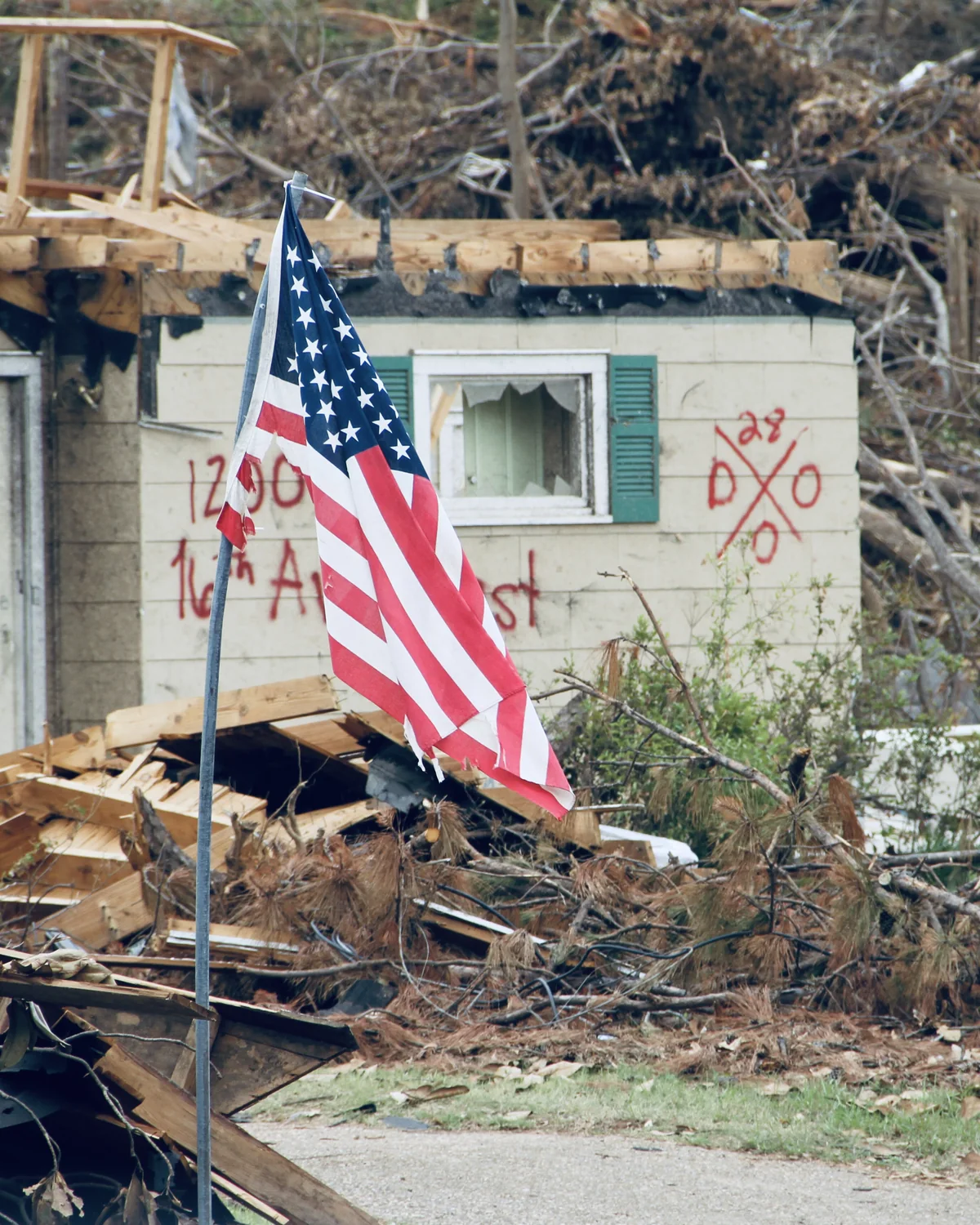
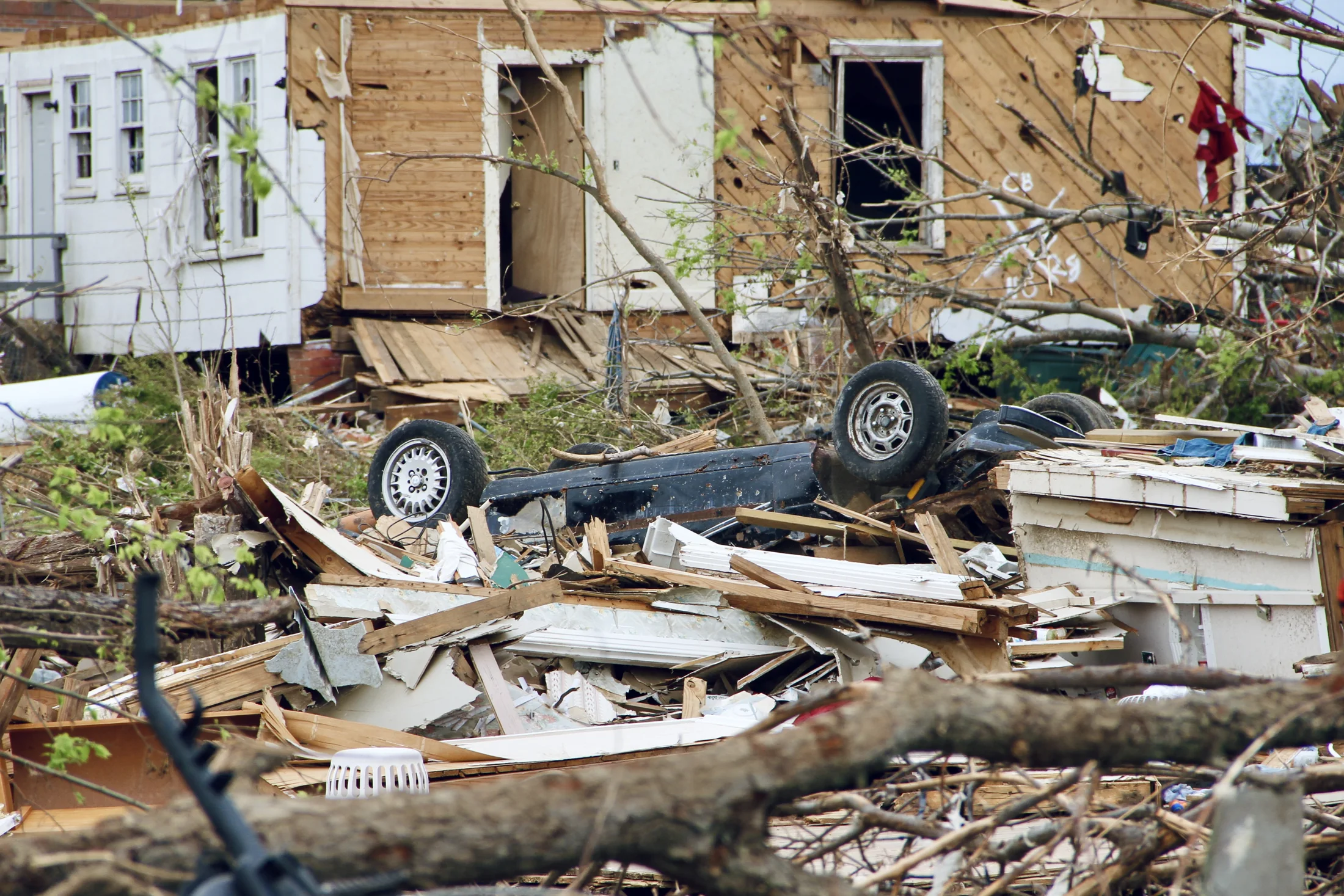
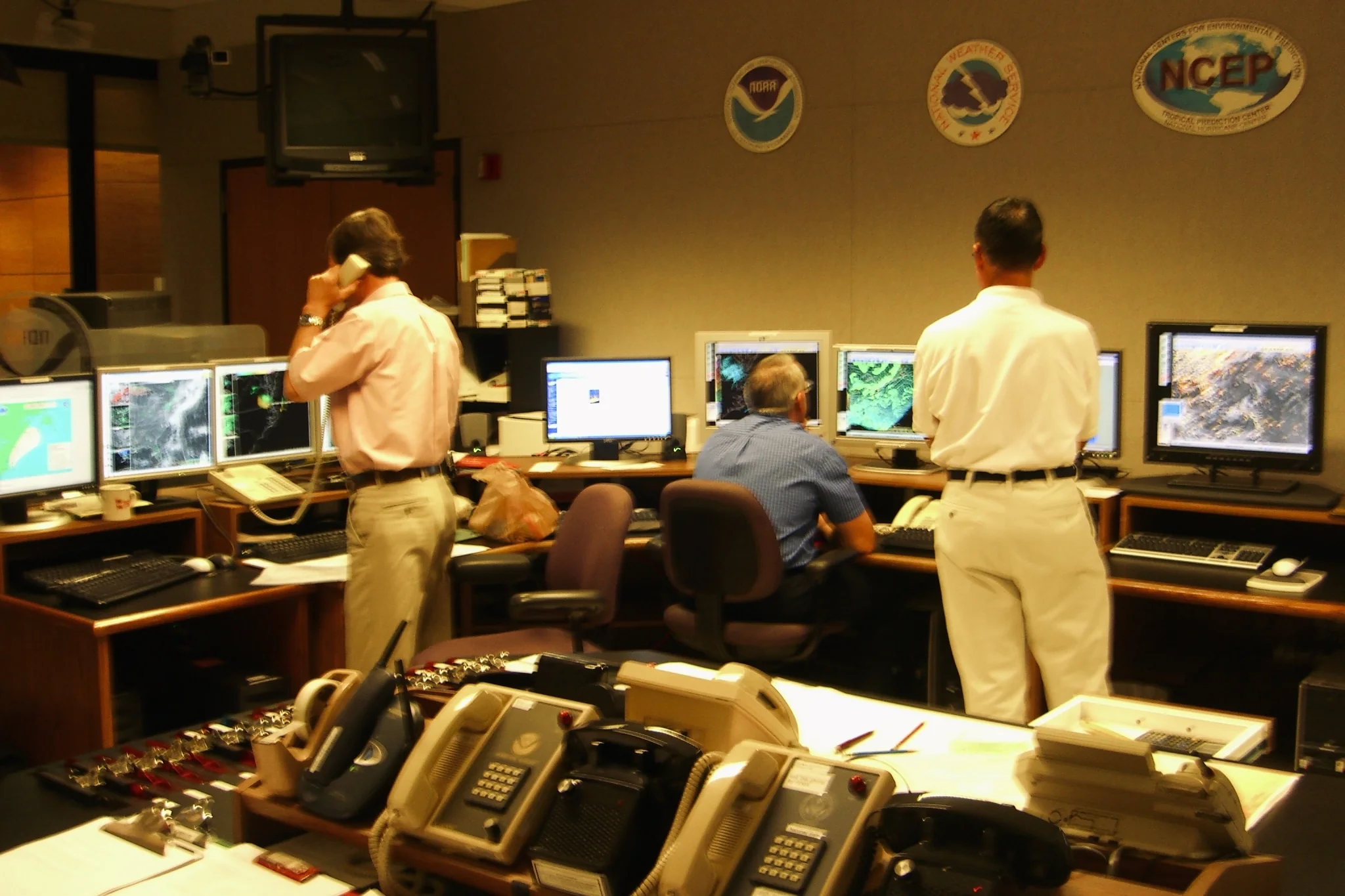
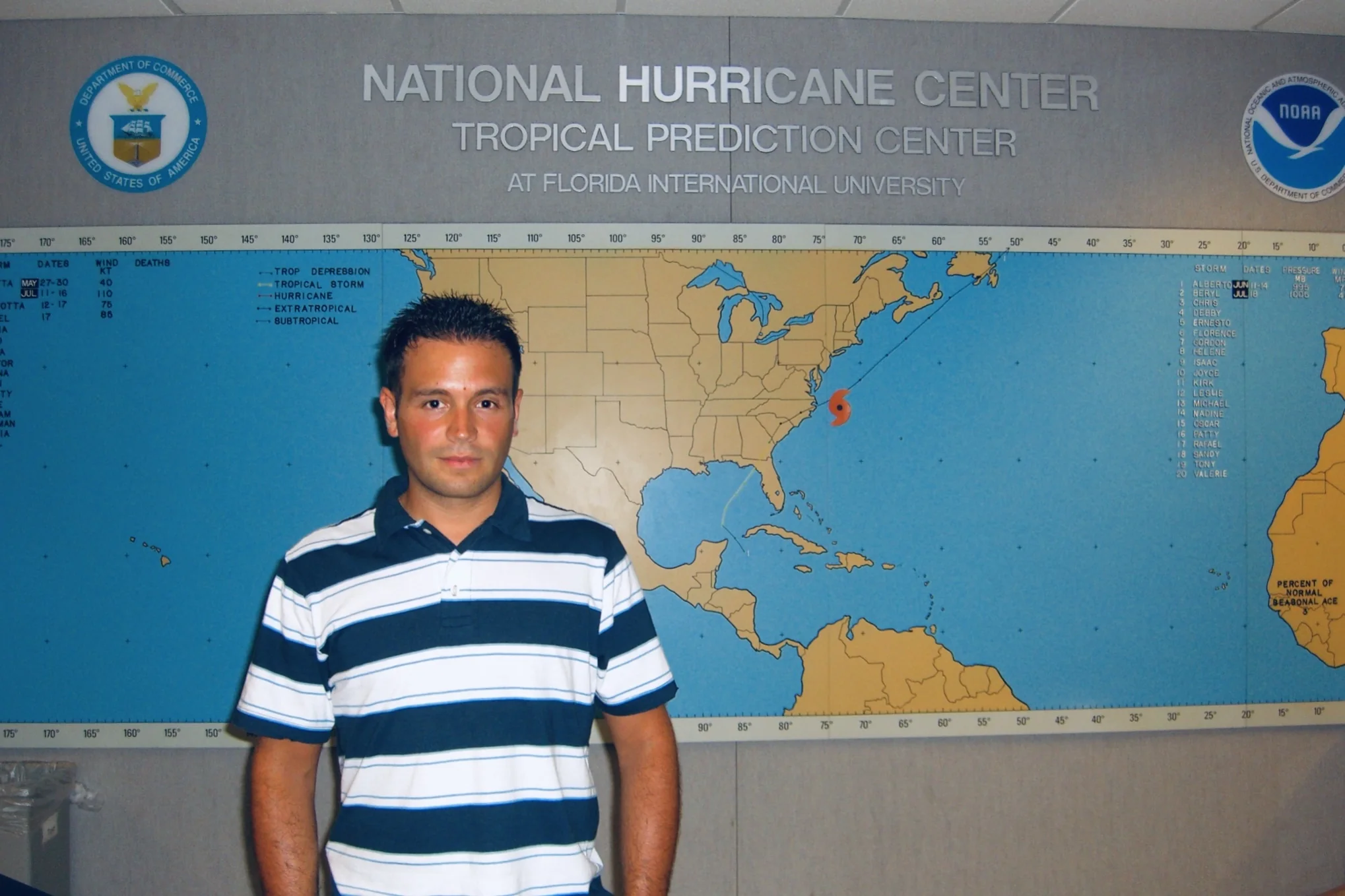
I wanted to see more. I visited the National Weather Service in Alabama and later, during a trip to Miami, the National Hurricane Center. Meteorologists were sitting in front of radar images, forecast models and satellite data, making decisions that could become important for a lot of people when conditions turned dangerous. The National Hurricane Center in Miami still monitors tropical systems across the Atlantic, including the Caribbean and Gulf of Mexico, as well as the eastern Pacific, producing forecasts and warnings for hazardous tropical weather.
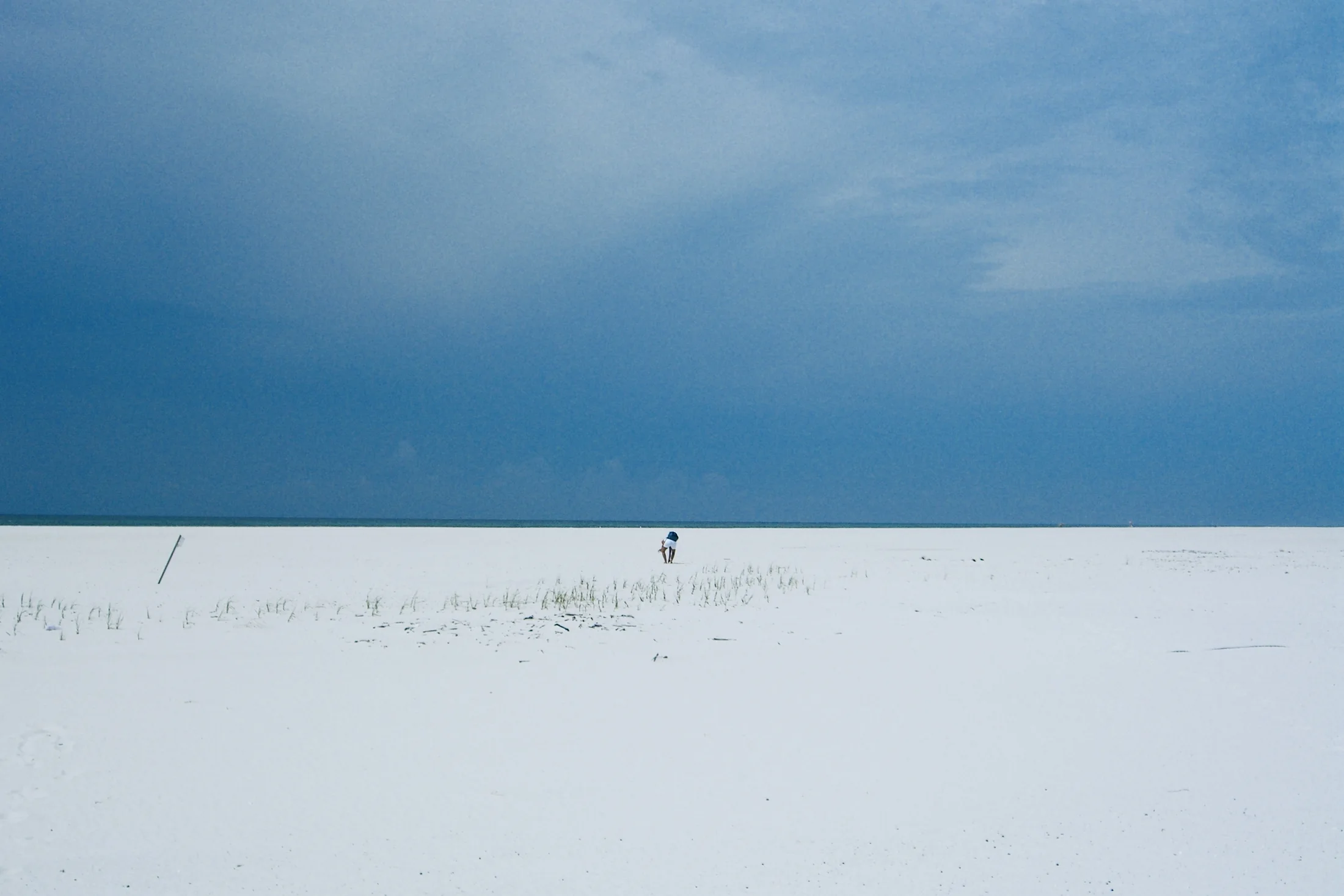
Much of Alabama still feels remarkably raw. There are huge areas of forest, long roads running between cotton fields, and in summer that intense humid heat. Farther south is the Gulf Coast, with incredibly fine white sand and warm open water along beautiful beaches. I always liked those contrasts. Heat and tropical thunderstorms, forests and coastline. Somewhere in the middle of the American South, weather became something I no longer just wanted to understand. I wanted to experience it.
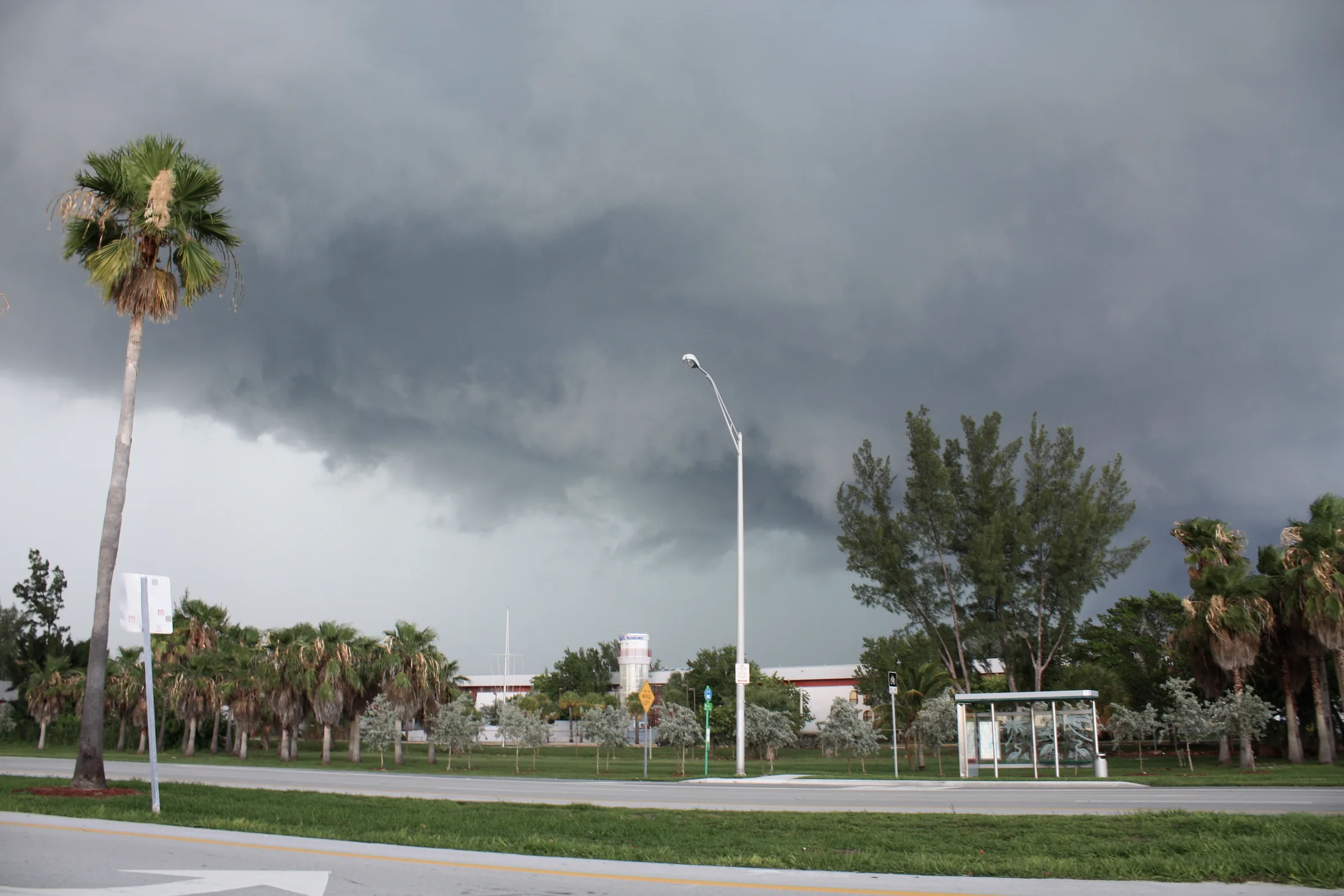
In 2005, Alabama took on another meaning. Hurricane Katrina moved inland from the Gulf, and the effects were felt across Alabama as well. Some places remained without power for a long time. In our town, the electricity was out for several days. A lot of things simply stopped, and during that time I started writing down ideas and making sketches. At some point, the idea of creating my own clothing brand appeared. Clothing that could work in tropical heat and somewhere in the cold of Lapland without looking like typical outdoor gear. Modern, uncomplicated and just as natural in everyday life. Made from the best materials I could find, with quality that really mattered.
During that blackout, I also made the first drawing of my hurricane signet. There was no finished brand and no business plan. It was simply an idea, a vision on paper. But it came together in a place where a lot of things in my life already met. Forces of nature, travel, family, weather, adventure and the desire to create something of my own. Maybe it makes sense that the first sketch happened in Alabama. I was always creative there. And by then I had already experienced how different landscapes, climates and ways of life could feel.
Looking back, there probably was not one single moment when everything began. But Alabama comes pretty close. That is where my childhood fascination with weather became something I wanted to seriously pursue. It was the starting point for so many trips across the United States. Later came storm chasing, hurricanes, volcanoes, storms and expeditions around the world. And years later, it was also where the first idea for my own clothing brand began. When I think of Alabama, I do not first see one particular tornado. I see warm nights, lightning on the horizon, family, long roads and a small notebook filled with weather observations.